Expatriate.
What is the inheritance of the French, not the material itself? What is the material inheritance, not inherit the Dharma? Buddha told the story to illustrate: There are two monks to visit the Buddha after the Buddha finished eating.
The Dharma of the Buddha to benefit one's self, and bring benefit to life is the sacred noble responsibility of the disciple of the Buddha, who is called the messenger Tathagata. Dhamma is flourishing, there really bring faith in love and benefit for life or not depends on the construction of the temple is a large Buddha that is basically where the monks live. Buddha teach or not. Clearly aware of this, the Buddha has advised bhikkhus to be heirs of the Dharma, not having material knowledge. In the Dharma Dharma-Dasutta of the Central Collection, He kindly reminds:
"Monks, if you are my Dharma followers, are not the heirs of material things, not only have you become the people who say: "Both teachers and students are people. The French are not the heirs of material things, but I also became the one who said, "Both teachers and pupils are French heirs, not legends." . But bhikkhus, if you are my material heirs, are not the heirs of the Dharma, not only are you the ones who say: "Both teachers and students are the heirs of the material, not the heirs of the Dharma, "but also I became someone who said:" Both teachers and pupils are heirs of material things, not the heirs. French ". Thus, bhikkhus,"
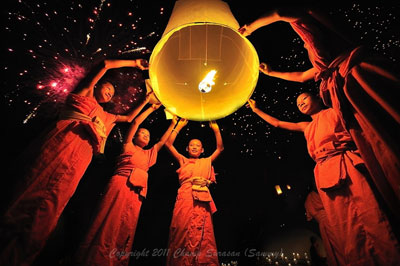
What is the inheritance of the French, not the material itself? What is the material inheritance, not inherit the Dharma? Buddha told the story to illustrate: There are two monks to visit the Buddha after the Buddha finished eating. Both traveled long distances hungry so tired. Buddha finished eating left some food in the bowl. He told the two bhikkhus who need to use it, otherwise he will pour the food into the grass without green grass or into the water where no insects live. Although very hungry, the first monk thought thinking of the advice " France, do not inherit the material"Of the Buddha should resolve to bear the ring overnight with his stomach. The second listening to Buddha Thus, the meaning of the Dharma that the Buddha wanted to advise his disciples is very clear. Who decides to live the Buddha's teachings, he inherited the Dharma, capable of inheriting the great Buddha, worthy of the messenger of the Tathagata. The Buddha praised the first-rate monk because he inherited the Dharma, not the material itself, determined to practice, mold themselves according to the Buddha's teachings, do not eat non-time, not because of feeling hungry difficult. take the time to ignore the Buddha. This is a diligent practice, the determination to strictly abide by the precepts of the Buddha to overcome the habit of craving desire, transforming them into a subsistence lifestyle, so that people gradually free, or say Buddha is becoming "less education, know enough, capable of endurance, easy to cultivate, ardent, diligent "(2) or" little whirring, calm, happy with the donated by others, live with minds like children wild animals "(3). This is also the result of the life of the Dharma, not the material itself, the progressive sign of the Buddhist practitioner in the matter of subduing and transforming oneself, making the mind and body relaxed. gentle, no longer attracted to lust or desire, and facilitated the deeper exercises of liberation, ie, inner training or meditation practice.
In the next part of the sutras, Venerable Sariputta clarifies the meaning and spirit of the Buddha's inheritance. Venerable said that there are three cases where the monk is considered Buddhist heirs, deserve to be praised. The first is to live happily as a teacher, expressing a lifestyle away from craving, dedicated to meditation practice to realize the mind liberation, intellectual liberation or realization Nirvana. The second is the full compliance of the gurus published by the Master, ie what the teacher should give up, should not be violated should be resolved to give up, no violation. The third is the implementation of the life of a purely professional, ie living the simple life of the monk, do not consider the material, diligent practice, not lazy, not fall into the world pleasure, There is a sense of responsibility for the goal of self-liberation, a term called "not to neglect the burden of life" (na paviveke nikkhittadhurà). And he emphasized:
" Sutras, Venerable Monks have three cases deserve praise. The Tao lived in the distance, the disciple of distance learning. That is the first case, the Venerable Bhikkhu deserves praise. And what teachings the teacher should give up, those things they give up. That is the second case, the Venerable Bhikkhu deserves praise. And they do not live in fullness, not lazy, do not lead to fallen, do not abandon the burden of life. That is the third case, the Venerable Monks deserve to be praised. Be gentle, the Venerable Bhikkhu by these three cases, deserves praise.
In the case of Sutra, the Sutras, there are three cases worth praising. The Tao lived in the distance, the disciple of distance learning. That is the first case, the Sikhs are worthy of praise. And what teachings the teacher should give up, those things they give up. That is the second case, the Sutra, which deserves to be praised. And they do not live in fullness, not lazy, not leading the land, do not abandon the burden of life. That is the third case, the Sutra, which deserves to be praised. This sutra, the meditation monks in the three cases, deserves praise.
In the case of Bhikkhus, the three Bhikkhus have three cases deserve praise. The Tao lived in the distance, the disciple of distance learning. That is the first case, the new bhikkhu should be praised. And what teachings the teacher should give up, those things they give up. That is the second case, the newly-born monks are praised. And they do not live in fullness, not lazy, not leading the land, do not abandon the burden of life. That is the third case, the newly-born monks are praised. This is the case of Bhikkhuni, who is praised by these three cases, deserves praise "(4)
In general, the healing of the Dharma is the sublime task of the Buddha's enlightenment, manifested through the serious life-giving way of the precepts, to the goal of liberating enlightenment. The Buddha wishes his students to inherit the path of enlightenment of the Buddha in order to achieve progress in the benefit of the Buddhist life and to continue the career of sharing the experience of peaceful enlightenment for everyone. This is considered the great responsibility of the monk in the sense of effort to practice and realize the Buddha's teachings for the purpose of self-gain and benefit. Life is miserable by delusion, always need to enlightened people to help beings less delusional suffering.
Buddhists know very well that the Buddha has only one set of y and the vase is a possession, but the Buddha benefits the countless beings. The reason is because the Buddha is enlightened, full of moral, moral, intellectual property, liberation and liberation of moral knowledge. The property left by the Buddha for nothing but the teachings of the growth of morality, moral, intellectual property, liberation and liberation of moral knowledge. But it is an invaluable asset, capable of helping people find happiness for themselves and bring happiness to others. Because the Dharma of the Buddha has such great meaning and value for the happy life of all sentient beings, the Buddha advised the monk to renounce the Dharma, not treasure the material; Because only the Fa, virtue achievement, moral virtue, virtue, The liberation and liberation of tri-new ethics really makes the renouncer happy living happily and help others happy happiness. He pointed out the fruitful and worthwhile pursuit of the Frenchman's natural progression. (5)
" Achievement in this Dharma, the rate-rate-monks bring happiness and bring happiness for people. What year is it?
Here, monks, monks themselves fully moral and encourage others full of virtue;
Fully meditate and encourage others to fully meditate;
Educate yourself sufficiently and encourage others to be fully intellectual;
Being fully liberated and encouraged to be fully liberated;
Full self-liberation of knowledge and encourage others fully liberate knowledge.
Full of this Dharma, monks, bhikkhus bring happiness and bring happiness for him . END=NAM MO SAKYAMUNI BUDDHA.( 3 TIMES ).VIETNAMESE TRANSLATE ENGLISH BY=THICH CHAN TANH.THE MIND OF ENLIGHTENMENT.VIETNAMESE BUDDHIST NUN=GOLDEN LOTUS MONASTERY=AUSTRALIA,SYDNEY.23/3/2018.
Educate yourself sufficiently and encourage others to be fully intellectual;
Being fully liberated and encouraged to be fully liberated;
Full self-liberation of knowledge and encourage others fully liberate knowledge.
Full of this Dharma, monks, bhikkhus bring happiness and bring happiness for him . END=NAM MO SAKYAMUNI BUDDHA.( 3 TIMES ).VIETNAMESE TRANSLATE ENGLISH BY=THICH CHAN TANH.THE MIND OF ENLIGHTENMENT.VIETNAMESE BUDDHIST NUN=GOLDEN LOTUS MONASTERY=AUSTRALIA,SYDNEY.23/3/2018.

No comments:
Post a Comment