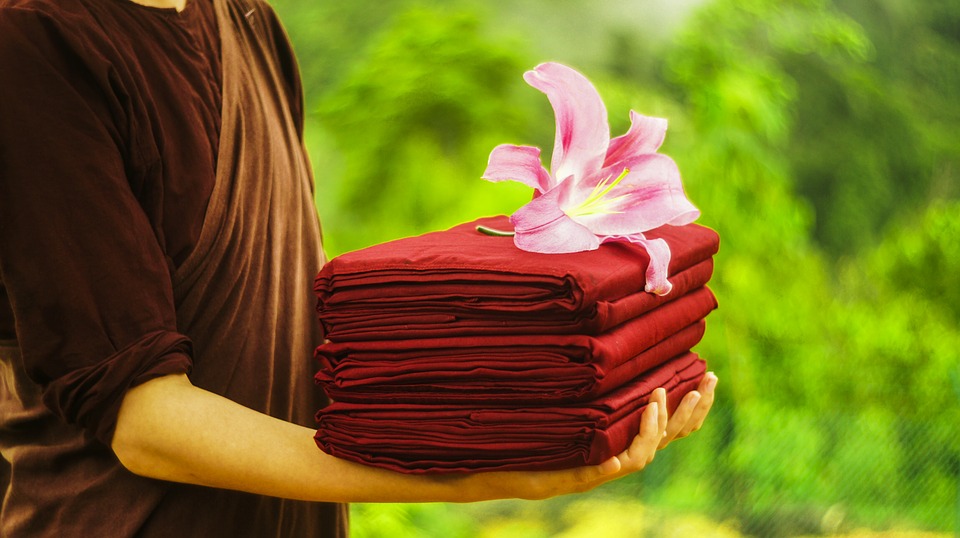
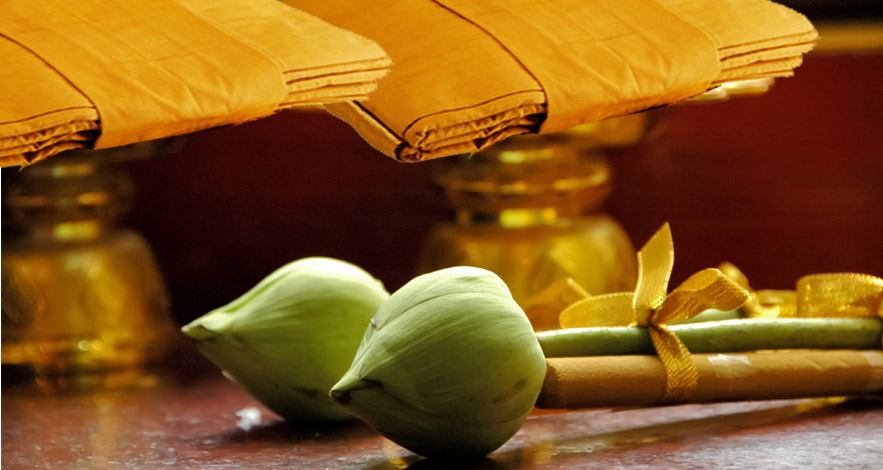
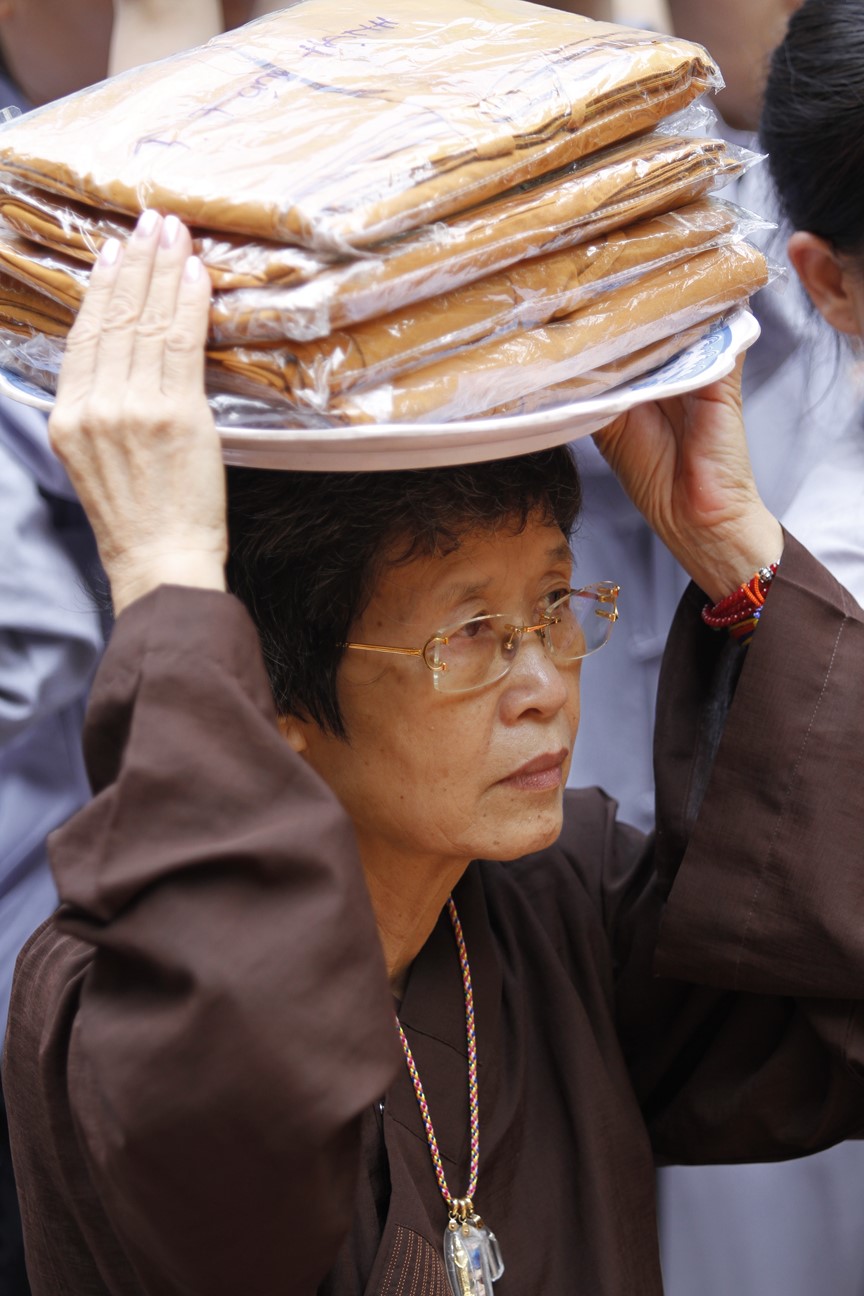
For a long time, offering medicine has become a sacred tradition for Buddhists. This fine tradition dates back to the time of Buddha's life. Every year, when the Yulanpen season recalls, while the renunciants prepare for the Great Tufters' feast day, the lay Buddhists carefully choose the ragged rags, arranged into lotus shapes. offered to the monks and nuns, dedicating their full merit to their parents on the occasion of Vu Lan's victory, Tu Tu complacent.
In the Yulanpen Sutra, the Buddha taught that:VIETNAMESE TRANSLATE ENGLISH BY=VIETNAMESE BUDDHIST NUN=THICH CHAN TANH.
Full moon in July is Tu Tu day,
The ten directions of Sangha all attend this ceremony,
Must try to fix things,
Hundreds of food, five-colored fruits.
You have to go to bed with a cushion again,
With brass, tub, lamp, torch, incense, oil,
The clean, precious dish,
Put in the glass bowl and pray for rising glass.
Chu Dai Duc ten real life
In seven generations, he will be super promoted,
More parents present,
Dang thanks to the virtue of shield and yoke complaining ...
The tradition of offering offerings to the Buddha has existed since the time of Buddha. However, not from the early days of the sangha's establishment.
The Four-Rule Rule states that, after the Buddha first turned the wheel of dharma at the Deer Park, about five Kieu-Tran-like brothers, they met the emperor, attained the precepts, and became Bhikkhu-stilts. Those were the first monks in Buddhism. In this instant the Bhikkhu-stilts Bach Germany World Religion: "What should we maintain maintenance?". The Blessed One said, "It should maintain the health of the algae and the dyes dyed into ca-sa color."
Medical chalk algae, Sanskrit is pāṃsu-kūla, which means that the cloths are thrown in the streets, in the garbage, or in the cemetery, smudged with dirt and impure, the monks picked and washed. , then cut the garment into clothes to wear. Ma-ha's law increased period, volume 16, said: "Pollen medicine is dirty, dirty fabrics that people throw on the road, gather to wash, sew and sew into clothes to wear."
Y also known as ca-sa, Sanskrit is kaṣāya, which means the fabrics have no longer retain the main color, by using the pounded bark to get water and dye the fabric. These cloths are yellow-brown, people call them ragged (no longer yellow, white, etc ...).
Sutta Twelve happy head-momentum record that wearing algae y is one of the twelve happy early momentum. Kinh Dai tich, vol. 114, said people wearing chalk algae will achieve great merit is privileged to colon, privileged racial nature, abiding, being mindful, being benevolent, being guided, and being legal.
Comment The head of the Bhikkhu-Ba-sa, vol. 16, said people who wear chalk algae are ten benefits, that is: make you precious; prevent heat, cold, mosquito; show the legal concept of Sa-keeper; all the people who see the forensic reverence and respect; mind first infected, no longer desires beauty; depending upon passing away, not suffering the burning mind; when taking forensic, doing evil easily seen; jewelry cannot be used on forensics; depending on the Noble Eightfold; diligently directing, not minding the pollution even for a moment, bringing him to ruin.

The Law of the Four Sections says, at the beginning, monks often collected ugly and old rags that were thrown away in landfills, or in the graveyard, which was washed and sewed into medicine. The Buddhists see the birth of reverence, compassion from the mind arises, take the fine cloth torn off and put it in the landfill for the Bhikkhu-stilts to take it to use. But the Masters did not dare to pick it up. That the Buddha knew, he taught: "If they are for monks, they should be taken."
It can be considered as the first form of medical offerings of Buddhists.
Later, United-da pupil, a famous doctor, layman at home, came to the Blessed One saying, "I cure the king, cure the king, or get a country, or be a convergence. Please ask the Blessed One to give me a wish ”. The Buddha said that he never allowed anyone to go beyond praying. United-pupil said, "I ask for a pure wish".
Buddha asked what that pure wish is? States-da pupil ladies: "This precious medicine, I received from King Ba-la-enemy-title, worth half the price of Jiangshan. Please ask the Blessed One who is good at it, because I loaded it. From now on, may Lord Buddha allow any monks who wish to wear the robes of the Vietnamese offering, or pollen pollen, they are free to wear. ” The Blessed One accepted the invitation by being silent. On this occasion, the Buddha gathered the monks, allowing them from now on to be allowed to wear the Buddhist monks' robes.
Since then, Buddhists have often offered offerings to monks in their own hands, including Am-Ba-la-Ba-De, who offered them and food offerings to the Blessed One along with 1,250 monks - On stilts, make the owner of Vesāli, the mighty Licchavī tribe to respect!
Buddhists on this day, with all sincerity to uphold the Dharma, respectfully present to the monks and nuns a liberated gold plate that is enough to shake the hearts of the Buddha in the filial season. END=NAM MO SHAKYAMUNI BUDDHA.( 3 TIMES ).GOLDEN AMITABHA MONASTERY=VIETNAMESE BUDDHIST NUN=THICH CHAN TANH.AUSTRALIA,SYDNEY.26/7/2020.


No comments:
Post a Comment