The intermediate Bardo phase usually takes place 49 days after a person's death. During this period, they will have to go through countless different horrifying experiences and come into contact with many deities. But due to the lack of diligence in the practice of visualizing the Buddhas to recognize the Buddhas or their pure mindfulness, although there are many peaceful and powerful Buddhas present to lead liberation, it is too scared, they often run away. Most people up to the 49th day are reborn in the Six Paths of Samsara. For that reason, it is extremely important to continue to meditate, practice spiritual rituals and practice secretly for the dead during this period.
1. Outside rituals.VIETNAMESE TRANSLATE ENGLISH BY=VIETNAMESE BUDDHIST NUN=THICH CHAN TANH.
As we have shown in previous posts, it is important to protect the dead carefully by not disturbing and touching their bodies, preferably within 3 days, to ensure progress. the disintegration process is completed in utmost peace.

After a day and a half to three days, you can bathe the dead with fragrant water. After bathing, apply honey to the heart chakra and apply the blessed mandala towel to the heart chakra. Honey is a material that brings positive energy and peace, so it can be beneficial to apply mandala to the dead. Then, put the Enlightened Speech Mandala of the Venerable Buddhas on the hearts of the dead, then put on the deceased "Liberation Dress", cover their faces with a blessing towel, give the medicine and wear a blessing strap.
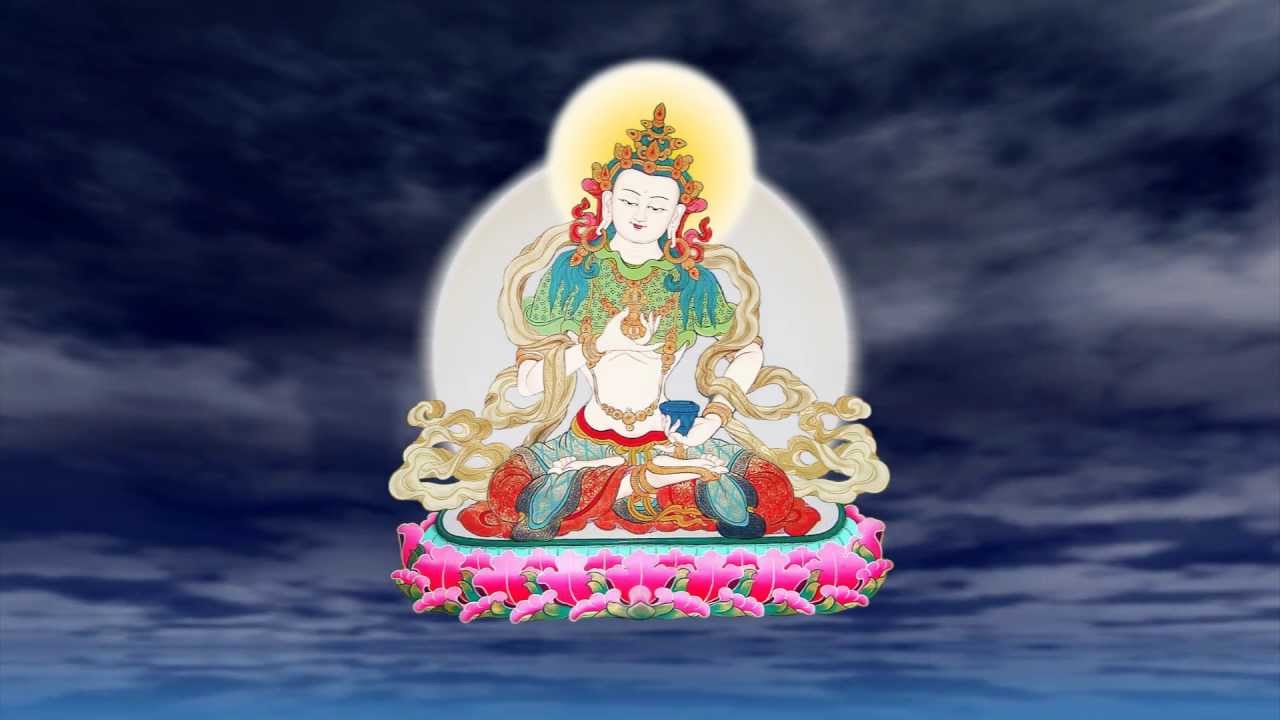
Vajrasattva Vajrasattva
After a certain period of time of protection, it is necessary to invite monks and nuns to take refuge, offer rice for the dead and perform the ritual of Entering the Temple for the dead. First of all, it is necessary to do the ceremony of pure worship, bless the coffin by maintaining the truth of the Hundred Yin, the Truth of Purifying Obstacles, the Truth of Zero or Great Compassion, and then recite the song "Praise Duong Chi", at the same time. Purify the coffin by spreading mandala sand, holy land, blessing water, aromatherapy as described above, or if it is not available, marinate jasmine, tea sail, ... to prevent flowing water and deodorizing.
Next is the Sincerity Ceremony, the householder receives the funeral scarf from the monks and nuns and would like to give alms the ceremonies of giving the body of the Brahmin Dharma, Giving up, Liberating Life, ... the burial or cremation depends on the wishes of the person. died. Usually there are four forms of burial: Burial (buried in the ground), Water burial (releasing the river and sea), Cremation (cremation), Thien burial (or Cremation, the form of burial to reveal the body. self-destruction). Traditionally Vietnam has only Cremation and Cremation. However, it should be noted that only Cremation has been completed when the consciousness is completely removed from the body. Otherwise, the consciousness suffers suffering that leads to perversion.
The Venerable Amitabha

If burial requires some additional procedures such as reciting the Great Compassion Mantra and the Truth of the Hundred Yin, spreading sand and blessed water on the bottom of the coffin, write three letters of the rosary: OM AH HUNG on the lid inside the coffin, chant the truths and bless the acupuncture point in the same way as bless the coffin above, take the picture of Buddha Amitabha to the tomb, go to the cemetery if enough conditions to recite Mong Son Yui Thuc (burning food) or the easy-to-use method of the Fire Temple will be very beneficial for the newly lost spirit and the unsurpassed spirits wandering around the cemetery.
After the burial is complete, the family should also request the masters to perform the Jangwa supramundane session, practice the rituals of the vajra Dharma Bodhisattva recitation, Amitabha, Cho and Receive Tonglen, and Vajrakilaya (with sudden death and suicide) and practices, practice of good deeds and dedicate prayers for the dead until the end of the Bardo. Or ask the monks and nuns of the pagoda near where they live to take refuge, also known as taking them to the temple, as soon as possible within 49 days.
2. Spiritual practice
While outside the family conducting the arrangement of rites and funerals, those who keep the mind still need to be with the dead and keep secret their responsibilities.

During the past 49 days, should continue to recite the teachings of the dead, such as teachings on the Bardo, the "Tibetan Book of the Dead", the Bardo Prayer, the prayers of light offerings and the Buddha's recitation. The intermediate stage directives are like maps guiding the consciousness in the correct direction after leaving the physical body and are drifting indefinitely in fear in the intermediate stage. All of these help the consciousness of the dead not to cling to the lost body and other possessions of the past life such as relatives, possessions, and fame. At the same time, the consciousness is able to realize the nature of all realms in the Bardo of death and rebirth as mind-generated, thereby reducing confusion, fear, and discernment to avoid the pitfalls of perversion, and practice of taking refuge in the Pure Land praying of birth.
Enlightenment on the Bardo
The family of the dead should request the Master, monks or nuns or Vajrayana followers to perform a manifestation for the consciousness of the dead. He could do the Jangwa super empowerment ritual, the Phowa transference method, or other special practices such as the Trance of the Brahminary Dharma, the easy offering of the Ganachakra, the easy offering of the Fire Temple, but not just limited to. making an easy dedication to a specific incense spirit, but easily dedicating it to the entire universe and dedicating all merit. If the Vajra Christian or the reader has a close relationship with the dead, has the same Master, has the same vows, and lives in harmony with the dead, the benefits will be great. On the contrary, if the dead feel uncomfortable with the reader, these statements will not work.
In addition, many methods can be performed simultaneously to benefit the dead spirit, such as: Hanging the mandala of Trung Khoi mandala or a painting of Thangka supporting by Duc Van Thu in the house. We should note that these objects need the blessings of the Vajra Master before they are hung in order to be beneficial.
Offering rice for the spirit
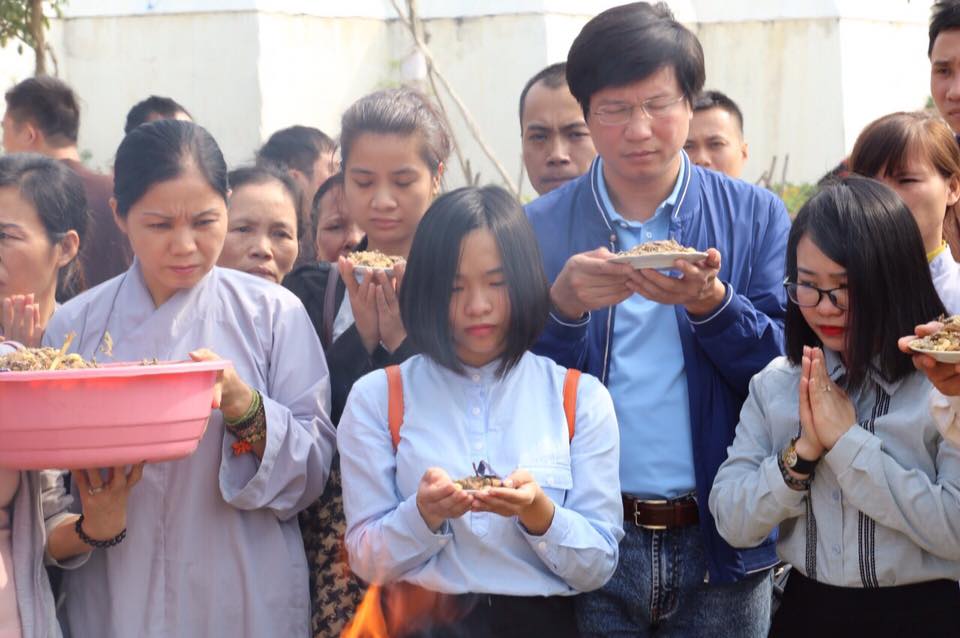
Daily offering rice to the spirit at least once at noon, it is best to offer vegetarian rice. The deceased's consciousness does not eat and drink like ordinary people, but eat with aroma. Therefore, during the rice bowl worshiping ceremony, it is advisable to prepare a bowl of flour including cereal flour, cakes, butter, milk, incense powder, cinnamon, anise, cloves, cardamom, ... When the rice comes to the part "True language", then bring this bowl of flour along with some food on the offering tray to burn out but not on the fire, but only with charcoal to create fragrant smoke. The consciousness of the dead will enjoy this fragrant smoke and be full.
Recite the Truth of the Religion
The practice of constant recitation of the tantric words of the deities such as Buddha Amitabha, Avalokiteshvara, Padmasambhava, and Vajrayana Buddha. Family members can take a vow to recite one or more of the Bodhisattva's Buddhist teachings. Chanting more songs of the Pure Land of Birth to dedicate to incense at the end of each session.
Practice making easy offerings

Offering lights easily means making offerings of light, this easy offering represents wisdom. This practice, if practiced with a pure mind for the benefit of sentient beings, is a skillful means of dispelling ignorance. We especially offer lamps for the purpose of bringing merit to the dead, to lead them in the Bardo with the light of wisdom. This light will illuminate the way for all sentient beings in the six realms, especially the sentient beings who are floating in the intermediate state body, helping to purify all evil, afflictions, and awaken true insight in everyone! During the Intermediate Body Stage, each week for the end of seven weeks, the dead person will inevitably experience reminiscence, projections of his death again and again, just like he dies many more times.
For a person who commits the grave evil of self-killing, this death experience is even more terrible, so the support of mindfulness is even more essential. Therefore, every week, family and legal friends need to practice offering the Great Tathāgata and release as much as possible and dedicate this merit to the dead. Therefore, if possible, every week the family of the dead should go to the temples to worship the Sangha, together with the teachers, recite the sutras of Luong Hoang Sam, Jizō, Thuy Sam, ... this is even more beneficial for the dead. Spirit and tenacity lost ancestors.
3. Things that relatives need to note
As explained, the time in the intermediate state body is a time when the spirit is very confused and afraid and always expects spiritual support from his loved ones. The sutras teach that, in the intermediate state of death, when there is no longer the hindrance of the four elements, the consciousness becomes extremely sensitive, able to be "nine times more intelligent" while they are alive. The consciousness has a lot of supernatural powers, such as being able to read other people's minds, and can know the true feelings of family members for them now. Because the consciousness is so divine, they suffer even more when they know that loved ones are not really interested in their suffering.
Therefore, if relatives practice the practice, do good deeds and dedicate all merits to spirits and sentient beings throughout the ten precepts, the spirit will feel secure because there is a place to protect and rely. On the contrary, spirit spirits will be extremely painful and angry if their relatives do not create blessings, but also kill animals, create negative karma, or are busy fighting over property disputes, brothers at odds ... make them despair and can immediately fall to hell to suffer, or make the devil hungry for a thousand years unable to escape.

During these 49 days, relatives of the dead should try to be vegetarian, recite the Buddha's name, give birth, chant prayers and do the virtuous deeds of alms, make offerings to the lights, keep boys pure, and avoid creating evil. karma, dedicating all merit to spirits as well as sentient beings throughout the ten methods of discipline. The family absolutely does not kill because it is the most sinful act that adds negative karma to the dead person and causes him or her to fall quickly. Society often has the custom of making rice offerings to the dead, making offerings for visitors to visit funerals or to make commemorations. On these occasions, slaughter is performed in series, whether directly or indirectly. This would be an extremely unfavorable karma for the dead. The best way is to replace it with vegetarian and vegetarian dishes to avoid taking the lives of sentient beings.
As Buddhists, we should also have righteous thoughts, we should not invite the priest to practice the ritual in the wrong way because it is doing wrong views, not only does not benefit the dead but even makes them unable to. transcended or fell to the lower realms.
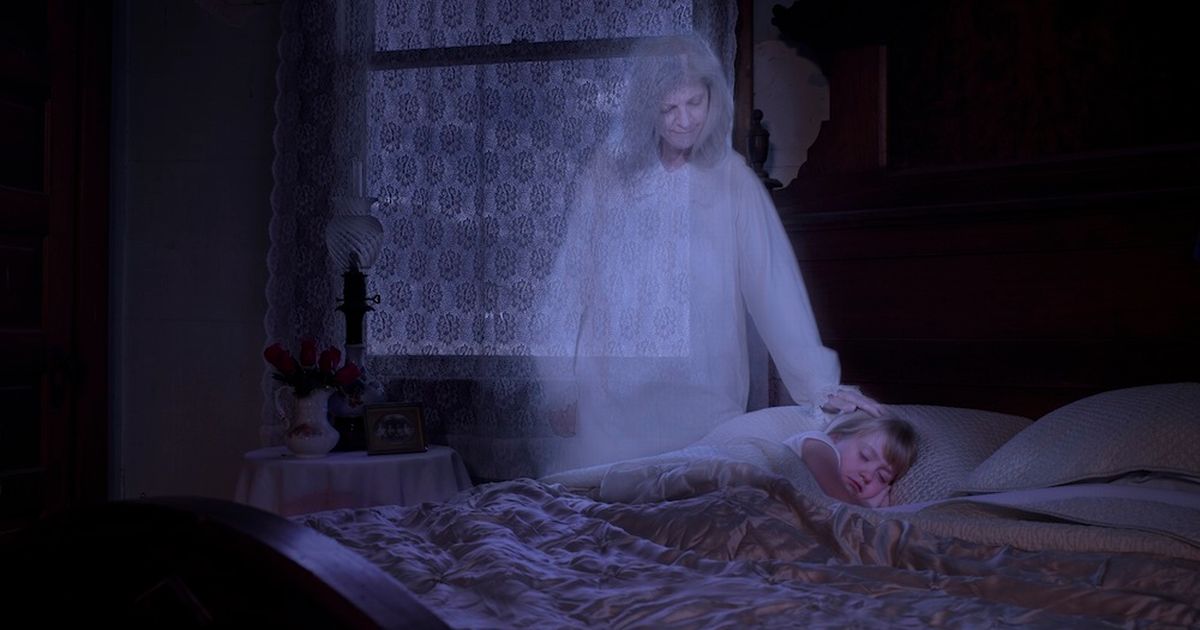
Relatives should also take note of acting with extreme caution during these 49 days for the benefit of the deceased. During this period, the spirit of the deceased often hangs around at home or with relatives and places they frequented while still alive. They can see what the living are doing and understand what the living is thinking. For example, if the wife goes with another man or the husband goes with another girl, such behavior will cause the dead's soul very much, especially if this is the problem they were worried about. haunting throughout life. This qi is very strong, so they will feel extremely miserable. Therefore, if you fell in love with someone else before the death of your loved one, you should also temporarily let go of the relationship for at least 49 days.
We should do the same for property and other matters. For example, we should not be too greedy and rush to check bank accounts, take everything such as papers and wills, or say and think about it, or share the possessions and possessions of the dead, … The prudent and proper conduct in these matters is also a necessary and important way of guarding for the dead during the 49-day period. In addition, if the person who died during his life was a Buddhist renunciation or before his death had a wish, he / she could bring treasures, objects and money to his funeral to make offerings to the Three Jewels and give alms. the poor, the unfortunate to accumulate more merit for the dead.
It should also be noted that the practice of mindfulness early in the early stages of the bardo, before the consciousness turns too far into the process of rebirth is optimal, because if after a certain time it is usually After 21 days, the dead will tend to forget everything in the past and begin to be pushed into the next state of rebirth by karmic tendencies. Then your mindfulness practice efforts will not be of much use. In the early stage of the intermediate Bardo, although in a state of great confusion, the consciousness of the dead still has many memories and connections of the past life, so it is still possible. receive a "signal" from us. So the practice of enlightening them at this time has a certain effect.
Note:
* The Fire Temple is an easy way to burn food because the deceased can only enjoy food through taste. This is a very powerful practice of Vajrayana, which helps to purify countless obstacles for both the living and the deceased.
* One Tripitaka is equivalent to 120,000 of the Buddha's teachings. Depending on the time and concentration, a relative can make a vow to recite one Tibetan or more of the Truthfulness of a Buddha or of many Bodhisattvas. When chanting should practice according to the fundamentals, even the simplified maintenance fund. See also page 371 and Drukpa Lineage Daily Practice Tantric Mantra.
* Normally, when we offer lamps, we offer 25 candles or 108 butter candles, or offer as many lamps as possible. We can also request monks and nuns, pure Monastics, to offer lamps easily to dedicate the incense of the dead. For details on the meaning of benefits and the practice of this practice, see the Easy Light Offering section on page 348.
* Ventricular week means in a cycle of 49 days, on exactly 7 days after the date of death we call a week of ventricular. The Buddhist opinion is that every 7 days the consciousness re-experiences death. Therefore, families and relatives need to practice to create happiness, practice good deeds on these occasions. This number 7 is also a spiritual number, corresponding to the sum of space (four main directions) and time (past three dimensions - present - future).END=NAM MO SHAKYAMUNI BUDDHA.( 3 TIMES ).GOLDEN AMITABHA MONASTERY=VIETNAMESE BUDDHIST NUN=THICH CHAN TANH.AUSTRALIA,SYDNEY.7/9/2020.

No comments:
Post a Comment