Kinh Pháp
Cú là một trong những cuốn sách
nổi tiếng nhất của tạng. Đó là một bộ sưu tập những lời dạy của Đức Phật thể
hiện rõ ràng, câu súc tích. Những câu này được chọn lọc từ bài giảng khác nhau
được đưa ra bởi Đức Phật trong quá trình bốn mươi lăm năm giảng dạy của mình,
như ông đã đi trong thung lũng sông Hằng (Ganga) và đường tiểu núi của dãy
Himalaya. Những câu này thường ngắn gọn, dí dỏm và thuyết
phục. Bất
cứ khi nào sự so sánh được sử dụng, họ là những người được dễ hiểu bởi ngay cả
một đứa trẻ, ví dụ như bánh xe của xe, bóng một người đàn ông, một hồ sâu, hoa.
Thông qua
những câu này, Đức Phật khuyên một để đạt được điều đó lớn nhất của tất cả các
cuộc chinh phục, cuộc chinh phục của bản thân; để thoát khỏi những điều xấu xa
của niềm đam mê, sân và si; và nỗ lực hết mình để đạt được tự do từ tham ái và
tự do khỏi vòng luân hồi. Mỗi câu có chứa một sự thật (dhamma), một lời
khuyên, một lời khuyên. Pháp Cú câu Pháp Cú câu thường được
trích dẫn nhiều ở nhiều nước trên thế giới và cuốn sách đã được dịch ra nhiều
ngôn ngữ. Một trong những bản dịch đầu tiên sang tiếng Anh
được thực hiện bởi Max Muller trong năm 1870 các bản dịch khác theo sau là những
bằng FL Woodward năm 1921, bởi Wagismara và Saunders vào năm 1920, và AL Edmunds
(bài thánh ca của Đức Tin) trong năm 1902 Trong số gần đây bản dịch, mà bởi
Narada Mahathera là được biết đến rộng rãi nhất. Tiến sĩ Walpola Rahula cũng đã
dịch một số câu lựa chọn từ Kinh Pháp Cú và cho họ ở cuối cuốn sách của ông
"Những gì Đức Phật dạy," phiên bản sửa đổi. Người Trung Quốc dịch Kinh Pháp
Cú từ tiếng Phạn. Phiên bản Trung Quốc của Pháp Cú đã được dịch sang
tiếng Anh bởi Samuel Beal (nội dung từ các kinh sách Phật gọi là Pháp Cú) vào
năm 1878. Ở Miến Ðiện, bản dịch đã được thực hiện vào
Miến Điện, chủ yếu là bằng văn xuôi, một số diễn giải, giải thích và
abridgements tầng liên quan cho câu. Trong những năm gần đây, một số cuốn sách về Kinh
Pháp Cú với cả hai bản dịch Miến Điện và tiếng Anh, cùng với câu thơ tiếng Pàli,
cũng đã được công bố. Kinh Pháp Cú là cuốn sách thứ hai của Khuddaka
Nikaya của Suttanta Tạng, bao gồm 423 câu trong hai mươi sáu chương sắp xếp dưới
những khác nhau. Trong Kinh Pháp Cú được nêu lên nguyên lý cơ bản của
các giáo huấn của Đức Phật. Câu (21) bắt đầu với "Appamado amatapadam" có
nghĩa là "chánh niệm là con đường đến Niết Bàn, bất
tử"
là một câu rất quan trọng và có ý nghĩa. Chánh niệm là yếu tố quan trọng
nhất trong thanh bình và Thiền Minh Sát. Những lời kêu gọi cuối cùng của
Đức Phật ngay trước khi ông qua đời cũng là chánh niệm và nỗ lực siêng năng (để
hoàn thành nhiệm vụ đạt được giải thoát khỏi vòng luân hồi qua Magga và Phala).
Nó thường
được chấp nhận rằng đó là trên tài khoản của câu này vào chánh niệm Hoàng đế
Asoka của Ấn Độ và vua Anawrahta Miến Điện đã trở thành tín đồ Phật giáo.
Cả hai vị
vua đã giúp rất nhiều trong việc truyền bá Phật giáo ở nước mình. Trong câu (29) Đức
Phật đã cùng anh gọi điện cho chánh niệm với một ý thức cấp bách. Câu chạy: "Nhận thức giữa các cẩu thả, rất thận trọng trong số
những buồn ngủ, người đàn ông khôn ngoan tiến bộ như một con ngựa đua, để lại
đằng sau ngọc bích." Câu (1) và (2) minh họa cho định luật bất biến
của Nghiệp, theo đó tất cả các hành động , tốt hay xấu, trở lại với những người
hành động. Ở đây, Đức Phật nhấn mạnh tầm quan trọng của tâm
trong mọi hành động của chúng tôi và nói về những hậu quả không thể tránh khỏi
của những hành động, lời nói và suy nghĩ. Câu (153) và (154) là
những biểu hiện của niềm vui tuyệt vời và mạnh mẽ thốt ra bởi Đức Phật ngay vào
lúc giác ngộ của mình. Hai câu thơ cho chúng ta một tài khoản đồ họa đỉnh
cao của của Đức Phật tìm kiếm chân lý. Họ nói với chúng tôi về Đức Phật tìm kiếm của nhà
xây dựng, "ái dục, nguyên nhân của sinh lặp đi lặp lại trong vòng luân hồi.
Sau khi
thoát khỏi ái dục, cho anh ta không có nhiều nhà (uẩn) được xây dựng bởi ái dục,
và sẽ không có tái sinh hơn. Câu (277), (278) và (279) cũng quan trọng vì
chúng cho chúng tôi biết về vô thường, không đạt yêu cầu và không tự bản chất
của mọi sự vật; điều quan trọng là người ta nên nhận thức được bản
chất thật của mọi sự vật và trở nên mệt mỏi của các uẩn, vì đây là con đường dẫn
đến thanh tịnh. Sau đó, Đức Phật chỉ cho chúng ta con đường dẫn
đến giải thoát khỏi vòng luân hồi, tức là con đường với tám thành phần
(Atthangiko maggo) trong Câu (273). Hơn nữa, Đức Phật khuyên chúng ta để làm cho nỗ lực
của chúng ta trong Câu (276) nói: "Chính anh em nên làm
cho các nỗ lực, Như Lai chỉ hiển thị đường đi." Câu (183) cho chúng ta giảng
dạy của chư Phật. Nó nói, "Anh không có cái ác,
nuôi trồng công đức, tịnh hóa tâm thức của một người, điều này là lời dạy của
chư Phật." Trong Câu (24) Đức Phật cho chúng ta thấy cách
để thành công trong cuộc sống, như sau: "Nếu một người năng động, tâm , tinh khiết trong tư
tưởng, lời nói và hành động, nếu anh ta làm mọi thứ một cách cẩn thận và cân
nhắc, kiềm chế các giác quan của mình, kiếm được cuộc sống của mình theo quy
định của pháp và không phải là unheedful, sau đó, sự nổi tiếng và tài sản của
người đó tâm tăng ". Đây là một số ví dụ về những viên đá quý được
tìm thấy trong Kinh Pháp Cú. Pháp Cú là, thực sự, một nhà triết học, hướng dẫn và
bạn bè cho tất cả. dịch câu này là từ tiếng Pali sang tiếng Anh.
Các văn
bản Pali được sử dụng là tiếng Pali Pháp Cú sự chấp thuận của Thượng Hội Đồng
Phật giáo quốc tế thứ sáu. Chúng tôi đã cố gắng để làm cho bản dịch sát với văn
bản càng tốt, nhưng đôi khi nó là rất khó khăn, nếu không nói là không thể, để
tìm một từ tiếng Anh mà chính xác sẽ tương ứng với một từ tiếng Pali.
Ví dụ,
chúng ta có thể chưa tìm thấy một từ tiếng Anh duy nhất có thể truyền đạt ý
nghĩa thực sự của từ "đau khổ" được sử dụng trong trình bày về Tứ Diệu Đế.
Trong bản
dịch này, thuật ngữ "đau khổ" mang ý nghĩa tương tự như trong Tứ Diệu Đế, đó là
trái chưa được dịch; nhưng chỉ giải thích. Khi có bất kỳ nghi ngờ
trong việc giải thích các khái niệm pháp của câu hoặc khi nghĩa đen là mơ hồ
hoặc khó hiểu, chúng tôi đã đề cập đến Bình luận (bằng tiếng Pali) và bản dịch
tiếng Miến Điện của Bình luận của Nyaunglebin Sayadaw , một Thera rất uyên bác.
Trong
nhiều trường hợp chúng tôi cũng đã tham khảo ý kiến các giáo sư Pháp
(Dhammacariyas) để làm sáng tỏ các từ khó hiểu và câu. Ngoài ra chúng tôi cũng đã
tham khảo ý kiến các bản dịch Miến Điện của Pháp Cú, đặc biệt là bản dịch của
Hội đồng Liên minh Sasana Đức Phật, bản dịch của Sangaja Sayadaw (1805-1876),
một Maha Thera hàng đầu trong thời gian của vua Mindon và vua Thibaw, và cũng là
bản dịch của Hòa thượng Thiền sư U Thittila, một Thera Ovadacariya Maha của Hiệp
hội Tạng Miến Điện. Các cuốn sách của Sangaja Sayadaw cũng bao gồm các
diễn giải và abridgements trong những câu chuyện kinh Pháp Cú. Pháp Cú Câu
chuyện
tóm tắt trong những câu chuyện Kinh Pháp Cú được đưa ra trong phần thứ hai
của cuốn sách như nó thường được tin rằng Bình luận Pháp Cú bằng văn bản của
Phật (thế kỷ thứ 5) là một trợ giúp lớn đối với một sự hiểu biết tốt hơn về kinh
Pháp Cú. Ba trăm năm câu chuyện có trong luận. Hầu hết các sự cố được
đề cập trong những câu chuyện diễn ra trong cuộc sống thời gian của Đức Phật.
Trong một
số câu chuyện, một số thông tin về một số kiếp quá khứ cũng đã được kể lại.
Trong
văn bản tóm tắt của câu chuyện, chúng tôi đã không cố gắng để dịch các bình
luận. Chúng tôi đã chọn lọc chỉ đơn giản là sự thật của
câu chuyện và đã viết lại ngắn gọn:. Một bản dịch của câu được đưa ra vào cuối
mỗi câu chuyện Nó chỉ còn lại cho tôi có thể bày tỏ lòng biết
ơn sâu sắc và chân thành tới các thành viên của Ban biên tập, Hiệp hội Tạng Miến
Điện, vì đã trải qua tỉ mỉ kịch bản; để Sayagyi Dhammacariya U Aung Moe và U Thein Maung,
biên tập viên, Hiệp hội Tạng Miến Điện, giúp đỡ trong việc dịch những câu thơ.HET=NAM MO BON SU THICH CA MAU NI PHAT.( 3 LAN ).GIAO HOI PHAT GIAO VIETNAM TREN THE GIOI.TINH THAT KIM LIEN.BAT CHANH DAO.THICH NU CHAN TANH.GIAC TAM.AUSTRALIA,SYDNEY.1/10/2014.CHUYEN NGU TIENG ANH SANG TIENG VIET TU =THICH NU CHAN TANH.GIAC TAM.
Tuesday, September 30, 2014

Dhammapada is one of the best known books of the Pitaka. It is a collection of the teachings of the Buddha expressed in clear, pithy verses. These verses were culled from various discourses given by the Buddha in the course of forty-five years of his teaching, as he travelled in the valley of the Ganges (Ganga) and the sub-mountain tract of the Himalayas. These verses are often terse, witty and convincing. Whenever similes are used, they are those that are easily understood even by a child, e.g., the cart's wheel, a man's shadow, a deep pool, flowers. Through these verses, the Buddha exhorts one to achieve that greatest of all conquests, the conquest of self; to escape from the evils of passion, hatred and ignorance; and to strive hard to attain freedom from craving and freedom from the round of rebirths. Each verse contains a truth (dhamma), an exhortation, a piece of advice.
Dhammapada Verses
Dhammapada verses are often quoted by many in many countries of the world and the book has been translated into many languages. One of the earliest translations into English was made by Max Muller in 1870. Other translations that followed are those by F.L. Woodward in 1921, by Wagismara and Saunders in 1920, and by A.L. Edmunds (Hymns of the Faith) in 1902. Of the recent translations, that by Narada Mahathera is the most widely known. Dr. Walpola Rahula also has translated some selected verses from the Dhammapada and has given them at the end of his book "What the Buddha Taught," revised edition. The Chinese translated the Dhammapada from Sanskrit. The Chinese version of the Dhammapada was translated into English by Samuel Beal (Texts from the Buddhist Canon known as Dhammapada) in 1878.
In Burma, translations have been made into Burmese, mostly in prose, some with paraphrases, explanations and abridgements of stories relating to the verses. In recent years, some books on Dhammapada with both Burmese and English translations, together with Pali verses, have also been published.
The Dhammapada is the second book of the Khuddaka Nikaya of the Suttanta Pitaka, consisting of four hundred and twenty-three verses in twenty-six chapters arranged under various heads. In the Dhammapada are enshrined the basic tenets of the Buddha's Teaching.
Verse (21) which begins with "Appamado amatapadam" meaning "Mindfulness is the way to Nibbana, the Deathless," is a very important and significant verse. Mindfulness is the most important element in Tranquillity and Insight Meditation. The last exhortation of the Buddha just before he passed away was also to be mindful and to endeavour diligently (to complete the task of attaining freedom from the round of rebirths through Magga and Phala). It is generally accepted that it was on account of this verse on mindfulness that the Emperor Asoka of India and King Anawrahta of Burma became converts to Buddhism. Both kings had helped greatly in the propagation of Buddhism in their respective countries.
In verse (29) the Buddha has coupled his call for mindfulness with a sense of urgency. The verse runs: "Mindful amongst the negligent, highly vigilant amongst the drowsy, the wise man advances like a race horse, leaving the jade behind."
Verses (1) and (2) illustrate the immutable law of Kamma, under which every deed, good or bad, comes back to the doer. Here, the Buddha emphasizes the importance of mind in all our actions and speaks of the inevitable consequences of our deeds, words and thoughts.
Verses (153) and (154) are expressions of sublime and intense joy uttered by the Buddha at the very moment of his Enlightenment. These two verses give us a graphic account of the culmination of the Buddha's search for Truth. They tell us about the Buddha finding the 'house-builder,' Craving, the cause of repeated births in Samsara. Having rid of Craving, for him no more houses (khandhas) shall be built by Craving, and there will be no more rebirths.
Verses (277), (278) and (279) are also important as they tell us about the impermanent, unsatisfactory and the non-self nature of all conditioned things; it is very important that one should perceive the true nature of all conditioned things and become weary of the khandhas, for this is the Path to Purity.
Then the Buddha shows us the Path leading to the liberation from round of rebirths, i.e., the Path with eight constituents (Atthangiko Maggo) in Verse (273). Further, the Buddha exhorts us to make our own effort in Verse (276) saying, "You yourselves should make the effort, the Tathagatas only show the way." Verse (183) gives us the teaching of the Buddhas. It says, "Do no evil, cultivate merit, purify one's mind; this is the teaching of the Buddhas."
In Verse (24) the Buddha shows us the way to success in life, thus: "If a person is energetic, mindful, pure in thought, word and deed, if he does everything with care and consideration, restrains his senses; earns his living according to the Dhamma and is not unheedful, then, the fame and fortune of that mindful person increase."
These are some of the examples of the gems to be found in the Dhammapada. Dhammapada is, indeed, a philosopher, guide and friend to all.
This translation of verses is from Pali into English. The Pali text used is the Dhammapada Pali approved by the Sixth International Buddhist Synod. We have tried to make the translation as close to the text as possible, but sometimes it is very difficult, if not impossible, to find an English word that would exactly correspond to a Pali word. For example, we cannot yet find a single English word that can convey the real meaning of the word "dukkha" used in the exposition of the Four Noble Truths. In this translation, wherever the term "dukkha" carries the same meaning as it does in the Four Noble Truths, it is left untranslated; but only explained.
When there is any doubt in the interpretation of the dhamma concept of the verses or when the literal meaning is vague or unintelligible, we have referred to the Commentary (in Pali) and the Burmese translation of the Commentary by the Nyaunglebin Sayadaw, a very learned thera. On many occasions we have also consulted the teachers of the Dhamma (Dhammacariyas) for elucidation of perplexing words and sentences.
In addition we have also consulted Burmese translations of the Dhammapada, especially the translation by the Union Buddha Sasana Council, the translation by the Sangaja Sayadaw (1805-1876), a leading Maha thera in the time of King Mindon and King Thibaw, and also the translation by Sayadaw U Thittila, an Ovadacariya Maha thera of the Burma Pitaka Association. The book by the Sangaja Sayadaw also includes paraphrases and abridgements of the Dhammapada stories.
Dhammapada Stories
Summaries of the Dhammapada stories are given in the second part of the book as it is generally believed that the Dhammapada Commentary written by Buddhaghosa (5th century A.D.) is a great help towards a better understanding of the Dhammapada. Three hundred and five stories are included in the Commentary. Most of the incidents mentioned in the stories took place during the life-time of the Buddha. In some stories, some facts about some past existences were also retold.
In writing summaries of stories we have not tried to translate the Commentary. We have simply culled the facts of the stories and have rewritten them briefly: A translation of the verses is given at the end of each story.
It only remains for me now to express my deep and sincere gratitude to the members of the Editorial Committee, Burma Pitaka Association, for having meticulously gone through the script; to Sayagyi Dhammacariya U Aung Moe and to U Thein Maung, editor, Burma Pitaka Association, for helping in the translation of the verses.END=NAM MO SAKYA MUNI BUDDHA.( 3 TIMES ).WORLD VIETNAMESE BUDDHIST ORDER=VIETNAMESE BUDDHIST NUN=GOLDEN LOTUS MONASTERY=THE EIGHTFOLD PATH.NAM MO SAKYA MUNI BUDDHA.( 3 TIMES ).AUSTRALIA,SYDNEY.1/10/2014.
Dhammapada Verses
Dhammapada verses are often quoted by many in many countries of the world and the book has been translated into many languages. One of the earliest translations into English was made by Max Muller in 1870. Other translations that followed are those by F.L. Woodward in 1921, by Wagismara and Saunders in 1920, and by A.L. Edmunds (Hymns of the Faith) in 1902. Of the recent translations, that by Narada Mahathera is the most widely known. Dr. Walpola Rahula also has translated some selected verses from the Dhammapada and has given them at the end of his book "What the Buddha Taught," revised edition. The Chinese translated the Dhammapada from Sanskrit. The Chinese version of the Dhammapada was translated into English by Samuel Beal (Texts from the Buddhist Canon known as Dhammapada) in 1878.
In Burma, translations have been made into Burmese, mostly in prose, some with paraphrases, explanations and abridgements of stories relating to the verses. In recent years, some books on Dhammapada with both Burmese and English translations, together with Pali verses, have also been published.
The Dhammapada is the second book of the Khuddaka Nikaya of the Suttanta Pitaka, consisting of four hundred and twenty-three verses in twenty-six chapters arranged under various heads. In the Dhammapada are enshrined the basic tenets of the Buddha's Teaching.
Verse (21) which begins with "Appamado amatapadam" meaning "Mindfulness is the way to Nibbana, the Deathless," is a very important and significant verse. Mindfulness is the most important element in Tranquillity and Insight Meditation. The last exhortation of the Buddha just before he passed away was also to be mindful and to endeavour diligently (to complete the task of attaining freedom from the round of rebirths through Magga and Phala). It is generally accepted that it was on account of this verse on mindfulness that the Emperor Asoka of India and King Anawrahta of Burma became converts to Buddhism. Both kings had helped greatly in the propagation of Buddhism in their respective countries.
In verse (29) the Buddha has coupled his call for mindfulness with a sense of urgency. The verse runs: "Mindful amongst the negligent, highly vigilant amongst the drowsy, the wise man advances like a race horse, leaving the jade behind."
Verses (1) and (2) illustrate the immutable law of Kamma, under which every deed, good or bad, comes back to the doer. Here, the Buddha emphasizes the importance of mind in all our actions and speaks of the inevitable consequences of our deeds, words and thoughts.
Verses (153) and (154) are expressions of sublime and intense joy uttered by the Buddha at the very moment of his Enlightenment. These two verses give us a graphic account of the culmination of the Buddha's search for Truth. They tell us about the Buddha finding the 'house-builder,' Craving, the cause of repeated births in Samsara. Having rid of Craving, for him no more houses (khandhas) shall be built by Craving, and there will be no more rebirths.
Verses (277), (278) and (279) are also important as they tell us about the impermanent, unsatisfactory and the non-self nature of all conditioned things; it is very important that one should perceive the true nature of all conditioned things and become weary of the khandhas, for this is the Path to Purity.
Then the Buddha shows us the Path leading to the liberation from round of rebirths, i.e., the Path with eight constituents (Atthangiko Maggo) in Verse (273). Further, the Buddha exhorts us to make our own effort in Verse (276) saying, "You yourselves should make the effort, the Tathagatas only show the way." Verse (183) gives us the teaching of the Buddhas. It says, "Do no evil, cultivate merit, purify one's mind; this is the teaching of the Buddhas."
In Verse (24) the Buddha shows us the way to success in life, thus: "If a person is energetic, mindful, pure in thought, word and deed, if he does everything with care and consideration, restrains his senses; earns his living according to the Dhamma and is not unheedful, then, the fame and fortune of that mindful person increase."
These are some of the examples of the gems to be found in the Dhammapada. Dhammapada is, indeed, a philosopher, guide and friend to all.
This translation of verses is from Pali into English. The Pali text used is the Dhammapada Pali approved by the Sixth International Buddhist Synod. We have tried to make the translation as close to the text as possible, but sometimes it is very difficult, if not impossible, to find an English word that would exactly correspond to a Pali word. For example, we cannot yet find a single English word that can convey the real meaning of the word "dukkha" used in the exposition of the Four Noble Truths. In this translation, wherever the term "dukkha" carries the same meaning as it does in the Four Noble Truths, it is left untranslated; but only explained.
When there is any doubt in the interpretation of the dhamma concept of the verses or when the literal meaning is vague or unintelligible, we have referred to the Commentary (in Pali) and the Burmese translation of the Commentary by the Nyaunglebin Sayadaw, a very learned thera. On many occasions we have also consulted the teachers of the Dhamma (Dhammacariyas) for elucidation of perplexing words and sentences.
In addition we have also consulted Burmese translations of the Dhammapada, especially the translation by the Union Buddha Sasana Council, the translation by the Sangaja Sayadaw (1805-1876), a leading Maha thera in the time of King Mindon and King Thibaw, and also the translation by Sayadaw U Thittila, an Ovadacariya Maha thera of the Burma Pitaka Association. The book by the Sangaja Sayadaw also includes paraphrases and abridgements of the Dhammapada stories.
Dhammapada Stories
Summaries of the Dhammapada stories are given in the second part of the book as it is generally believed that the Dhammapada Commentary written by Buddhaghosa (5th century A.D.) is a great help towards a better understanding of the Dhammapada. Three hundred and five stories are included in the Commentary. Most of the incidents mentioned in the stories took place during the life-time of the Buddha. In some stories, some facts about some past existences were also retold.
In writing summaries of stories we have not tried to translate the Commentary. We have simply culled the facts of the stories and have rewritten them briefly: A translation of the verses is given at the end of each story.
It only remains for me now to express my deep and sincere gratitude to the members of the Editorial Committee, Burma Pitaka Association, for having meticulously gone through the script; to Sayagyi Dhammacariya U Aung Moe and to U Thein Maung, editor, Burma Pitaka Association, for helping in the translation of the verses.END=NAM MO SAKYA MUNI BUDDHA.( 3 TIMES ).WORLD VIETNAMESE BUDDHIST ORDER=VIETNAMESE BUDDHIST NUN=GOLDEN LOTUS MONASTERY=THE EIGHTFOLD PATH.NAM MO SAKYA MUNI BUDDHA.( 3 TIMES ).AUSTRALIA,SYDNEY.1/10/2014.
KINH PHÁP CÚ.
Kinh Pháp Cú là một tập hợp những câu dạy ngắn gọn nhưng đầy ý nghĩa của Đức Phật Thích Ca trong ba trăm trường hợp giáo hóa khác nhau. Những câu này do chính Đức Phật khi còn tại thế nói ra trong suốt gần nửa thế kỷ thuyết pháp của Ngài. Ngài giảng dạy bằng lời nói chứ không viết sách. Ba tháng sau khi Đức Phật nhập Niết Bàn thời các vị đại đệ tử của Đức Phật mới nhóm họp để đọc lại và ghi chép, kết tập những giáo pháp của Ngài. Các câu Pháp Cú được các vị đại đệ tử sắp xếp thành 423 bài “kệ”, chia ra làm 26 “phẩm” theo như hình thức hiện nay để cho thích hợp vớigiới độc giả và người nghe. Kinh Pháp Cú cũng được tụng đọc trong Đại Hội Kết Tập Kinh Điển lần đầu tiên này. HET=NAM MO BON SU THICH CA MAU NI PHAT.( 3 LAN ).GIAO HOI PHAT GIAO VIETNAM TREN THE GIOI.TINH THAT KIM LIEN.BAT CHANH DAO.THICH NU CHAN TANH.GIAC TAM.AUSTRALIA,SYDNEY.1/10/2014.
383. "This, O Brahmana,
Be diligent stanza,
Abandon the pleasure
of annihilation Know,
The level is ridiculous. "
Be diligent stanza,
Abandon the pleasure
of annihilation Know,
The level is ridiculous. "
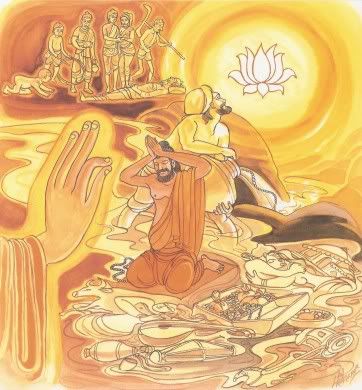
384. "Thanks to the two legal
permanent resident (1)
By the other side.
Ba-la-alike site,
All fetters clean end. "
By the other side.
Ba-la-alike site,
All fetters clean end. "
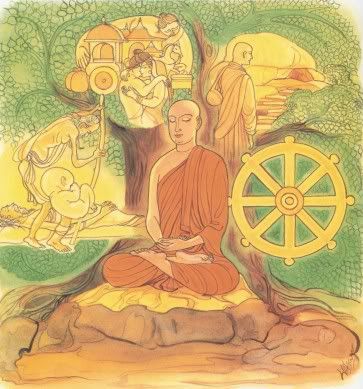
385. "Not this shore, other shore
(2)
Both the banks do not have,
non-suffering, not bound
I call a Brahmin-keeper. "
Both the banks do not have,
non-suffering, not bound
I call a Brahmin-keeper. "
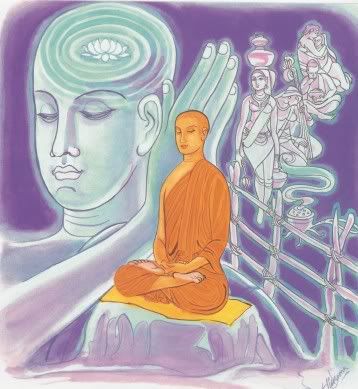
386. "Tu Zen, permanent glass
ceiling
is incumbent upon completion, outflow,
Achieve the ultimate goal,
I called Ba-la-keeper. "
is incumbent upon completion, outflow,
Achieve the ultimate goal,
I called Ba-la-keeper. "
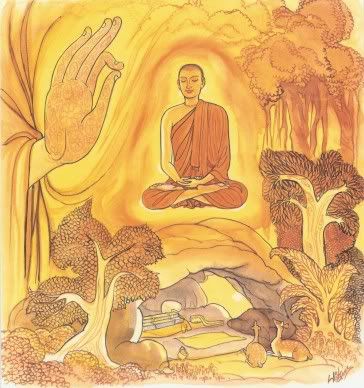
387. "daylight sun,
moon light night.
Weapons Police dysentery morning,
morning meditation on media.
Buddha And glory,
shining all day and night. "
moon light night.
Weapons Police dysentery morning,
morning meditation on media.
Buddha And glory,
shining all day and night. "
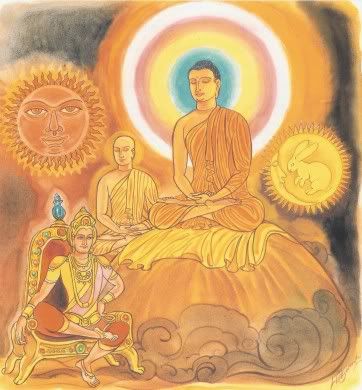
388. "Termination evil called on
media,
called Pure happiness Sa subjects,
themselves made defilements,
should call the monastic ranks. "
called Pure happiness Sa subjects,
themselves made defilements,
should call the monastic ranks. "
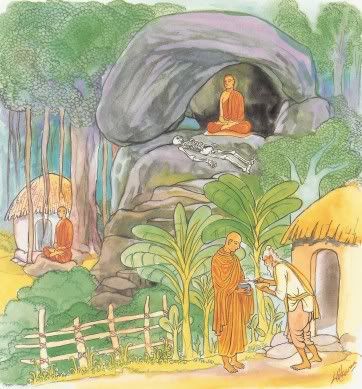
389. "Let no dams on press!
discounts do not even hit back!
Bad replacement dam on even
worse in return! "
discounts do not even hit back!
Bad replacement dam on even
worse in return! "
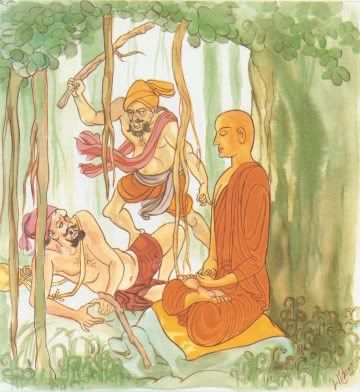
390. "For the Ba-la-keeper,
It (3) non-small benefit.
When the attachment is not love,
heart damage is stopped,
only then suffering defeat, "
It (3) non-small benefit.
When the attachment is not love,
heart damage is stopped,
only then suffering defeat, "
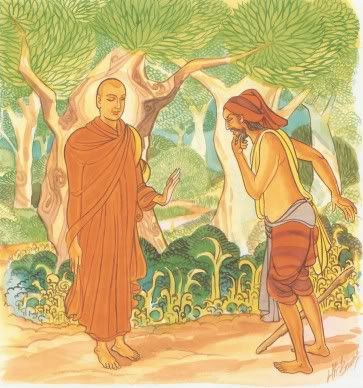
391. "With the oral ones,
not doing evil deeds
Three are now protected,
I called Ba-la-keeper. "
not doing evil deeds
Three are now protected,
I called Ba-la-keeper. "
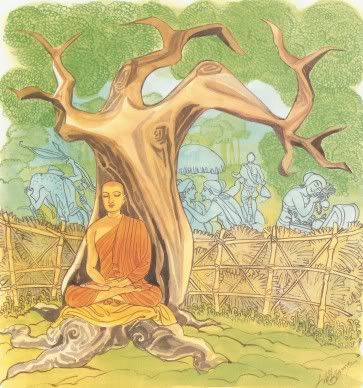
392. "From anyone, know the
Dhamma
preached Tier Enlightenment,
he Honor ceremony,
as even waited on fire. "
preached Tier Enlightenment,
he Honor ceremony,
as even waited on fire. "
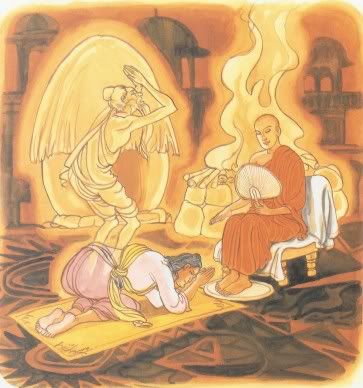
393. "Ba-la-Known subjects,
not as head of hair braided,
not race, living life,
who really foot, pastor, net,
New Ba-la-goal call. "
not as head of hair braided,
not race, living life,
who really foot, pastor, net,
New Ba-la-goal call. "
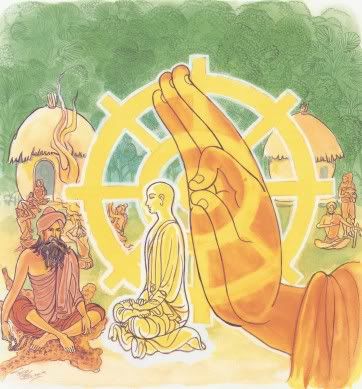
394 "A fool, what is the point
Braided hair with goat skin,
Inner whole negativity,
empty polish the surface. "
Braided hair with goat skin,
Inner whole negativity,
empty polish the surface. "
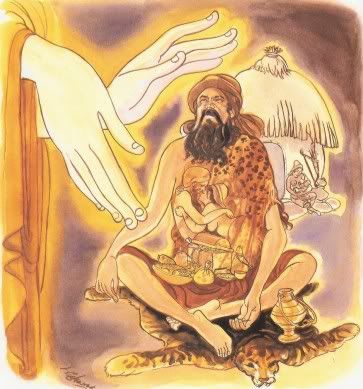
395. "He wore a garbage dump,
Slim sick, route tendon circuit,
celibate meditating in the forest.
called Ba-la-I subjects. "
Slim sick, route tendon circuit,
celibate meditating in the forest.
called Ba-la-I subjects. "
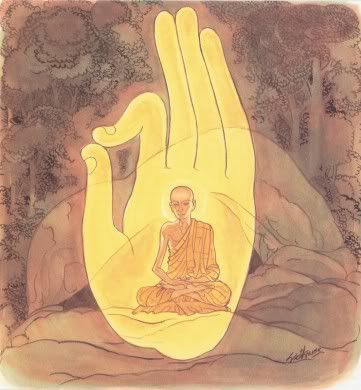
396 "I do not call on Chi,
Since the birth place, birth mother.
empty only be called
if the heart was disturbing.
sorrow not, the attachment
I call a Brahmin-keeper. "
Since the birth place, birth mother.
empty only be called
if the heart was disturbing.
sorrow not, the attachment
I call a Brahmin-keeper. "
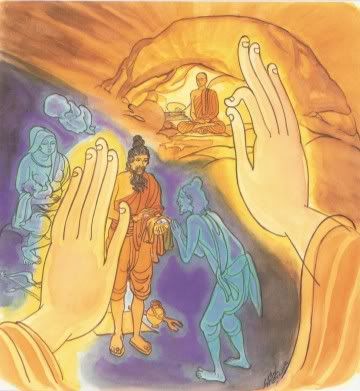
397. "Then all the fetters,
Nothing fear
not wrecked before forcing clearly
I call a Brahmin-subject
Nothing fear
not wrecked before forcing clearly
I call a Brahmin-subject
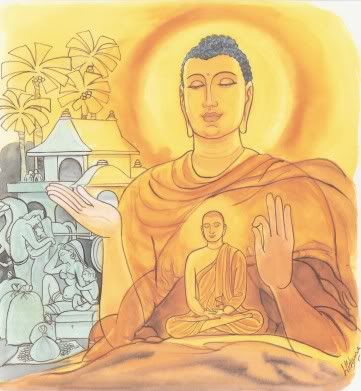
398. "Skip straps (4) surrender
(5)
Remove wire (6), base map of (7),
Clear key (8), wisely,
I call a Brahmin-keeper. "
Remove wire (6), base map of (7),
Clear key (8), wisely,
I call a Brahmin-keeper. "
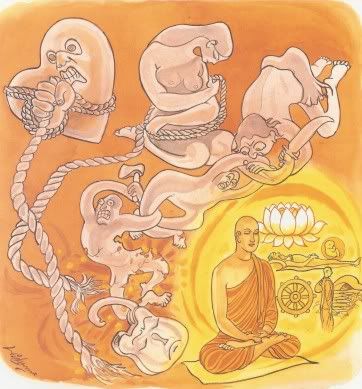
399 "No malice, endure,
Defamation, hitting, penalties,
Get the ring as the armed forces,
I call a Brahmin-keeper. "
Defamation, hitting, penalties,
Get the ring as the armed forces,
I call a Brahmin-keeper. "
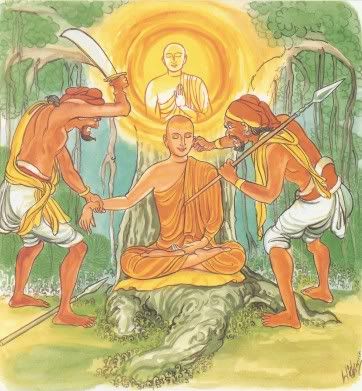
400 "Do not hate, all duties,
precepts, not greed,
Photography Apparel, relatives finally,
I call a Brahmin-keeper. "
precepts, not greed,
Photography Apparel, relatives finally,
I call a Brahmin-keeper. "
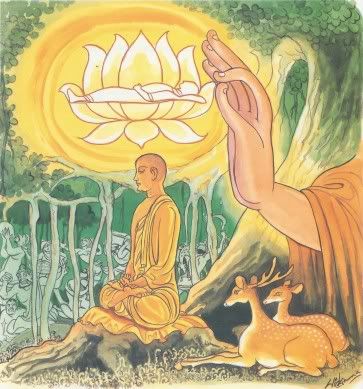
401 "As the water on the lotus
leaf,
mustard seed head as metallic,
non-infected craving,
I called Ba-la-keeper. "
mustard seed head as metallic,
non-infected craving,
I called Ba-la-keeper. "
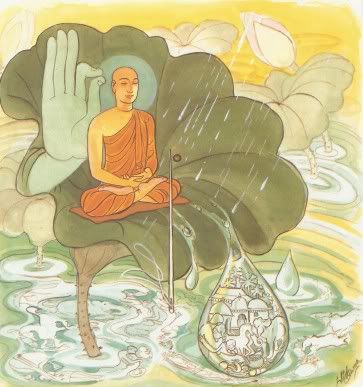
402. "Whoever in this world,
Sensory suffering, eradicate suffering,
Skip burden, freeing,
I called Ba-la-keeper. "
Sensory suffering, eradicate suffering,
Skip burden, freeing,
I called Ba-la-keeper. "
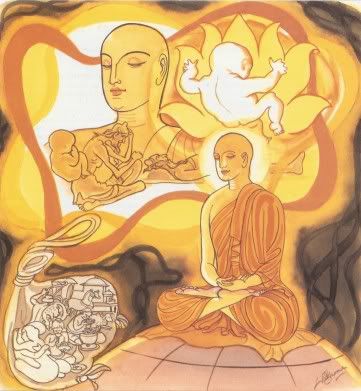
403 "The profound wisdom,
Smart that direct and non-direct the
Certificate achieve ultimate destination,
I called Ba-la-keeper. "
Smart that direct and non-direct the
Certificate achieve ultimate destination,
I called Ba-la-keeper. "
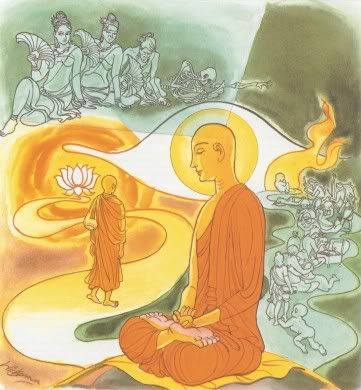
404 "No contact both
secular Renunciation,
Celibacy, less sex,
I called Ba-la-keeper. "
secular Renunciation,
Celibacy, less sex,
I called Ba-la-keeper. "
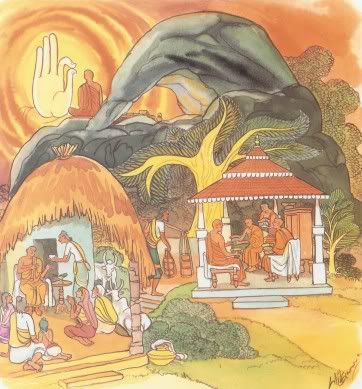
405. "Minister, for being,
resilience or weakness,
not to kill, not sure kill,
I called Ba-la-keeper. "
resilience or weakness,
not to kill, not sure kill,
I called Ba-la-keeper. "
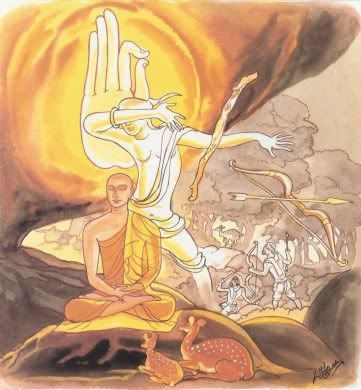
406. "Amity between hostility
between aggressive Moderates.
No infections between infected ago,
I called Ba-la-keeper. "
between aggressive Moderates.
No infections between infected ago,
I called Ba-la-keeper. "
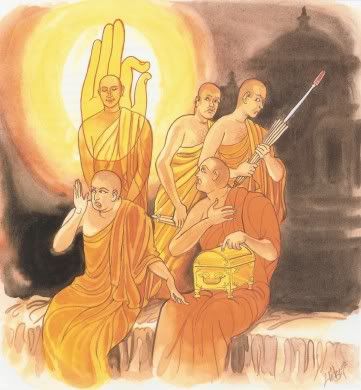
407. "abandon greed,
not chronic do not begrudge,
as mustard seed pinhead,
I call a Brahmin-keeper. "
not chronic do not begrudge,
as mustard seed pinhead,
I call a Brahmin-keeper. "
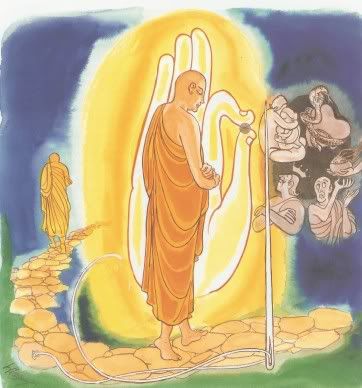
408 "Say on peaceful words,
and true benefit,
not offend anyone,
I called Ba-la-keeper. "
and true benefit,
not offend anyone,
I called Ba-la-keeper. "
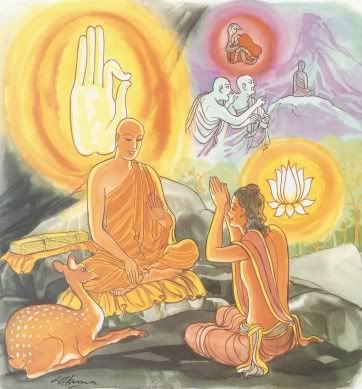
409 "In life, character length,
Short,
Small, large, beautiful or ugly
whatsoever not to not take,
I called Ba-la-keeper. "
Small, large, beautiful or ugly
whatsoever not to not take,
I called Ba-la-keeper. "
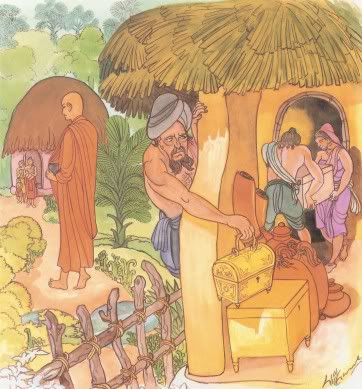
410. "there is no hope for him,
this life and the next,
for no sacrifice, liberation,
I call a Brahmin-keeper. "
this life and the next,
for no sacrifice, liberation,
I call a Brahmin-keeper. "
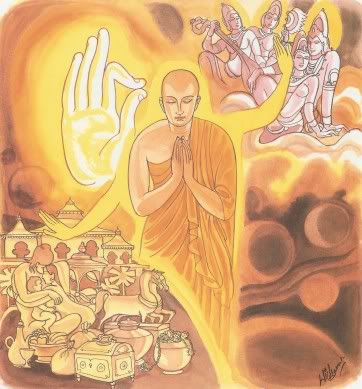
411 "People are no longer
craving,
there place, no doubt,
may enter into immortality,
I called Ba-la-keeper. "
there place, no doubt,
may enter into immortality,
I called Ba-la-keeper. "
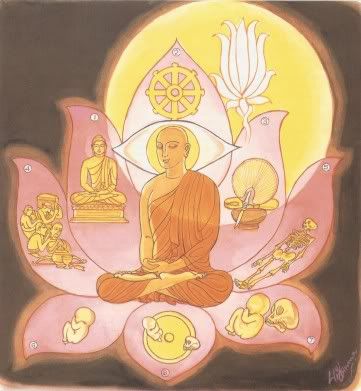
412. "People who live in this
life
both good and evil, no infection,
no sorrow, no dust cleaner
I call a Brahmin-keeper. "
both good and evil, no infection,
no sorrow, no dust cleaner
I call a Brahmin-keeper. "
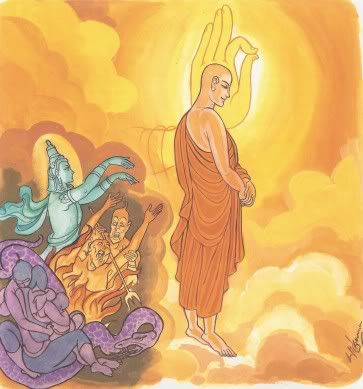
413 "As the moon, not unclean
clean
and quiet in the morning,
Friendship love, the end stage,
I call a Brahmin. "
and quiet in the morning,
Friendship love, the end stage,
I call a Brahmin. "
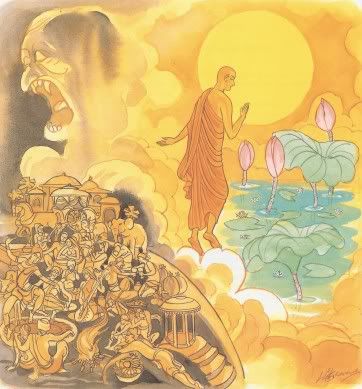
414. "Crossing the street is
dangerous,
Photography for reincarnation, si,
the other side of meditation Sees
No sensual desires, no doubt,
no attachments, chairman net,
I called Ba-la-keeper. "
Photography for reincarnation, si,
the other side of meditation Sees
No sensual desires, no doubt,
no attachments, chairman net,
I called Ba-la-keeper. "
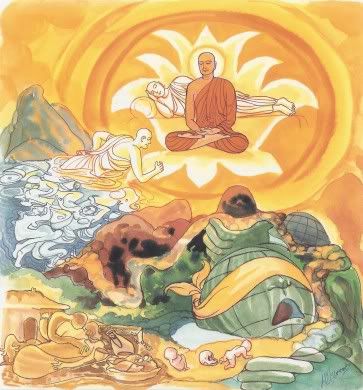
415 "Who in the world, period
sex,
the Left, the monastic life,
the cessation of Education property,
I called She-la-keeper. "
the Left, the monastic life,
the cessation of Education property,
I called She-la-keeper. "
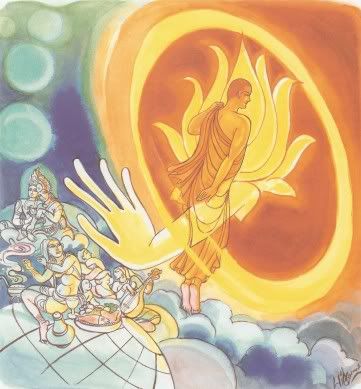
416. "Whoever lives in love
period
houses Skip, monastic life,
the cessation Fellowship,
I called Ba-la-keeper. "
houses Skip, monastic life,
the cessation Fellowship,
I called Ba-la-keeper. "
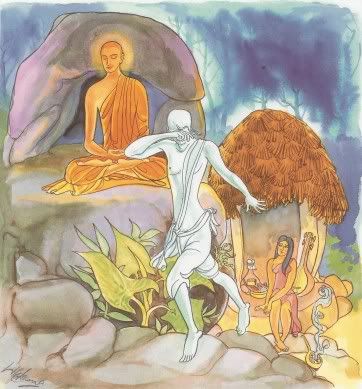
417. "Put human bondage,
bondage Beyond heaven.
Liberation forcing all clear,
I call a Brahmin-keeper. "
bondage Beyond heaven.
Liberation forcing all clear,
I call a Brahmin-keeper. "
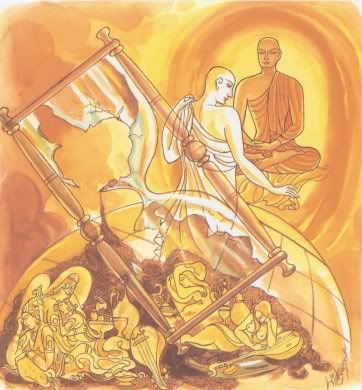
418. "Skip pet thing, it hates,
Cool, kill y birth
Tier conquering hero,
Photography for all the world,
I call a Brahmin-keeper. "
Cool, kill y birth
Tier conquering hero,
Photography for all the world,
I call a Brahmin-keeper. "
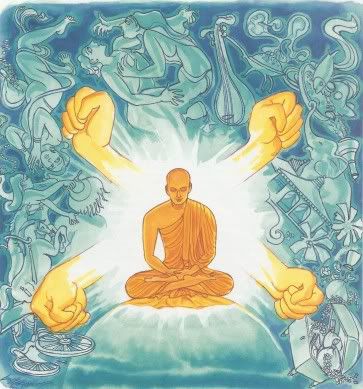
419. "Who understands fully
the beings Samsara,
no infection, overcome clever,
wise enlightened truth,
I call a Brahmin-keeper. "
the beings Samsara,
no infection, overcome clever,
wise enlightened truth,
I call a Brahmin-keeper. "
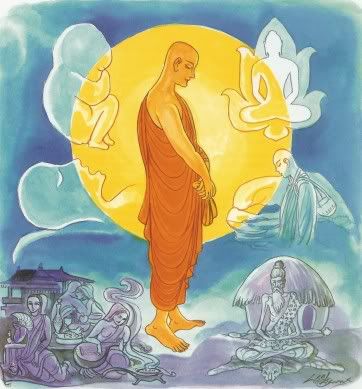
420 "For one, species of heaven,
who
together with her Beware,
Do not know where sentient life
Gonorrhea take steps Luohan.
called Ba-la-I subjects. "
together with her Beware,
Do not know where sentient life
Gonorrhea take steps Luohan.
called Ba-la-I subjects. "
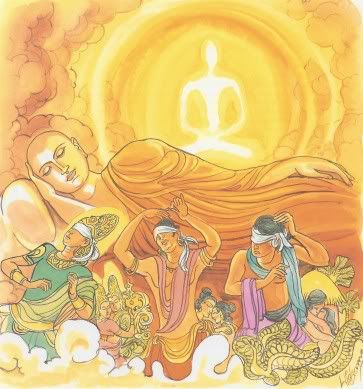
421 "Who too, now, future
No one owns something,
not owned not understand,
I call a Brahmin-keeper. "
No one owns something,
not owned not understand,
I call a Brahmin-keeper. "
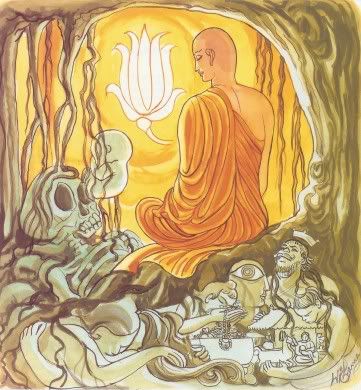
422. "Tier Princess buffalo,
wins
Tier great heroes and artists,
Tier victory, not infected,
Tier cleansing, enlightenment,
I called Ba-la-keeper. "
Tier great heroes and artists,
Tier victory, not infected,
Tier cleansing, enlightenment,
I called Ba-la-keeper. "
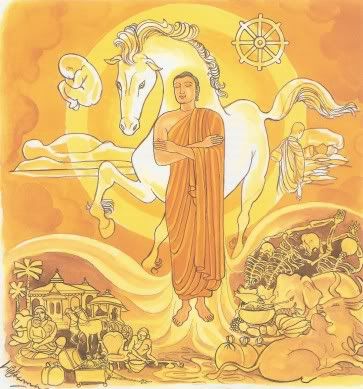
423 "Who knew life before,
seeing paradise, deprivation,
birth cessation Achieve
Victory position, themselves members of
the Taoist nun faded.
Perfection every achievement
I call a Brahmin-keeper. "
seeing paradise, deprivation,
birth cessation Achieve
Victory position, themselves members of
the Taoist nun faded.
Perfection every achievement
I call a Brahmin-keeper. "
 HET = NAM MO BON SU Shakyamuni Buddha. (3 LAN).
Buddhist Church GIOI.TINH THAT THE VIETNAM TREN KIM
LIEN. Noble Eightfold Path. likes NU true nature.
GIAC TAM. AUSTRALIA, SYDNEY.1 / 10 /
2014.
HET = NAM MO BON SU Shakyamuni Buddha. (3 LAN).
Buddhist Church GIOI.TINH THAT THE VIETNAM TREN KIM
LIEN. Noble Eightfold Path. likes NU true nature.
GIAC TAM. AUSTRALIA, SYDNEY.1 / 10 /
2014.
360 "You thay, eye protection!
Christianity thay, ear protection.
Protestant thay, nose protection,
thay Protestants, blade protection. "
Christianity thay, ear protection.
Protestant thay, nose protection,
thay Protestants, blade protection. "

361. "You thay, hedge yourself!
Christianity thay, hedge words,
thay Protestants, the hedge.
Protestant thay, all the rooms.
Brethren all rooms.
Drainage are all Suffering. "
Christianity thay, hedge words,
thay Protestants, the hedge.
Protestant thay, all the rooms.
Brethren all rooms.
Drainage are all Suffering. "

362. "The tame limbs,
Tame and first words,
fun interior meditation.
singles, enough said,
It is good to call bhikkhus. "
Tame and first words,
fun interior meditation.
singles, enough said,
It is good to call bhikkhus. "

363 "tame mouth Brethren,
Just words, no higher tribute,
presenting the legal sense,
the sweet soothing words. "
Just words, no higher tribute,
presenting the legal sense,
the sweet soothing words. "

364. "Hack like French,
Lovers of Justice, the French Thought.
Centre volition Dharma,
Dharma not leave. "
Lovers of Justice, the French Thought.
Centre volition Dharma,
Dharma not leave. "

365 "Do not despise what he is,
not envy others are
envious Brethren who,
no star witness Meditation. "
not envy others are
envious Brethren who,
no star witness Meditation. "

366 "Brethren less oil,
not despising myself,
not living pure lazy,
this position commended Gods. "
not despising myself,
not living pure lazy,
this position commended Gods. "

367. "Absolutely, the mentality,
not accept me, of me.
Failing, not Sorrow.
fact worthy Brethren. "
not accept me, of me.
Failing, not Sorrow.
fact worthy Brethren. "

368. "Brethren residing compassion,
Faith of Buddha Dharma,
Stock mayor realm.
calming touch of happiness. "
Faith of Buddha Dharma,
Stock mayor realm.
calming touch of happiness. "

369 "Brethren, slapping the boat, the
boat does not, lightly Quickly go.
nếu Greed, hatred kills,
All attaining Nirvana. "
boat does not, lightly Quickly go.
nếu Greed, hatred kills,
All attaining Nirvana. "

370 "Then the year (1), from the left in (2),
Practicing in (3) the ultimate,
Brethren cut in bound (4),
deserving beyond "express store" (5). "
Practicing in (3) the ultimate,
Brethren cut in bound (4),
deserving beyond "express store" (5). "

371. "Brethren, let's meditate,
Do not Let loose spontaneous,
passionate sex do not mind,
rooms booked, swallowing hot iron
Burned, coal shalt not Suffer! "
Do not Let loose spontaneous,
passionate sex do not mind,
rooms booked, swallowing hot iron
Burned, coal shalt not Suffer! "

372. "No wisdom, no meditation,
no meditation, no-brainer.
Persons with mental meditation,
definitely close to Nirvana. "
no meditation, no-brainer.
Persons with mental meditation,
definitely close to Nirvana. "

373. "Step into the empty house,
calm the mind, bhikkhus,
enjoy fun superhero Tho
Tinh Consistent follow dharma. "
calm the mind, bhikkhus,
enjoy fun superhero Tho
Tinh Consistent follow dharma. "

374. "People are always mindful,
the birth and death of aggregates,
Being happy, joy,
immortal ranks just know. "
the birth and death of aggregates,
Being happy, joy,
immortal ranks just know. "

375 "Here, bhikkhus with location,
basic law gatherings
chúng need, know enough,
basic adult Keeping,
Thường close to you fresh,
living purification needs. "
basic law gatherings
chúng need, know enough,
basic adult Keeping,
Thường close to you fresh,
living purification needs. "

376. "smart cards Communications friendly
gesture Dapper ink.
So much fun effects,
sẽ end all Suffering. "
gesture Dapper ink.
So much fun effects,
sẽ end all Suffering. "

377. "As Vassika flowers (6),
Toss wings Withered away,
Also the Brethren,
Let's Liberation Greed. "
Toss wings Withered away,
Also the Brethren,
Let's Liberation Greed. "

378. "pure body, calming words,
calm, clever meditation.
give animal Furniture Brethren,
deserving "President Translational Level."
calm, clever meditation.
give animal Furniture Brethren,
deserving "President Translational Level."

379. "HIS Critics Themselves,
by Themselves alone inquisitive,
self-protection, bhikkhus
Mindfulness, permanent peace. "
by Themselves alone inquisitive,
self-protection, bhikkhus
Mindfulness, permanent peace. "

380 "On Their Own medicine alone,
goes to her yourself,
let Themselves So be subdued,
gentle horse trading as guests. "
goes to her yourself,
let Themselves So be subdued,
gentle horse trading as guests. "

381. "many Brethren Rejoice,
Pure Land Buddhist Teachings credits,
net citizenship certificate realm,
the unfortunate optimism peace. "
Pure Land Buddhist Teachings credits,
net citizenship certificate realm,
the unfortunate optimism peace. "

382. "Brethren, through is a young age
Diligent practice Buddhist Teachings,
enlighten the world,
like the moon Freed from a cloud. "
Diligent practice Buddhist Teachings,
enlighten the world,
like the moon Freed from a cloud. "

Notes:
(1) The body is suspected, manually precepts, sexual
love, golf.
(2) Lust loving, invisible loving, romantic, agitation, confusion.
(3) Information, attack, mindfulness, concentration and wisdom.
(4) 5-bind: Greed, hatred and Delusion, romantic, wrong
(5) Boc flow: flood waters
(6) cotton hybrids. = END=VIETNAMESE TRANSLATE ENGLISH BY=THICH CHAN TANH.THE MIND OF ENLIGHTMENT.WORLD VIETNAMESE BUDDHIST ORDER=VIETNAMESE BUDDHIST NUN=GOLDEN LOTUS MONASTERY=THE EIGHTFOLD PATH.NAM MO SAKYA MUNI BUDDHA.( 3 TIMES ).AUSTRALIA,SYDNEY.1/10/2014.
(2) Lust loving, invisible loving, romantic, agitation, confusion.
(3) Information, attack, mindfulness, concentration and wisdom.
(4) 5-bind: Greed, hatred and Delusion, romantic, wrong
(5) Boc flow: flood waters
(6) cotton hybrids. = END=VIETNAMESE TRANSLATE ENGLISH BY=THICH CHAN TANH.THE MIND OF ENLIGHTMENT.WORLD VIETNAMESE BUDDHIST ORDER=VIETNAMESE BUDDHIST NUN=GOLDEN LOTUS MONASTERY=THE EIGHTFOLD PATH.NAM MO SAKYA MUNI BUDDHA.( 3 TIMES ).AUSTRALIA,SYDNEY.1/10/2014.
Subscribe to:
Comments (Atom)