Holy Places.VIETNAMESE TRANSLATE ENGLISH BY=THICH CHAN TANH.

Shakyamuni Buddha has left his footprints throughout the Indian territory and his image has been imprinted in the mind of humanity. In the period of righteous Dharma flourishing, important places are mentioned. Four famous holy places of Buddhism in particular and of India in general are: Lumbini Garden (Lumbini) where Bodh-Gaya (Bodh-Gaya) of the Buddha, Venerable Buddha (Sarnath) ) where the Buddha moved the first wheel, and the Venerable Na (Kusinagara) where the Buddha passed away.
These places have attracted so many cross-country visitors to worship, and many temples, towers and inscriptions have been built around these holy places. However, during the decline of Buddhism in India, some holy places were destroyed by dust and time. Today, Indian archaeologists are on the way to unearth relics and restore the holy sites.
——–
First Holy Land: Lumbini (Lumbini)
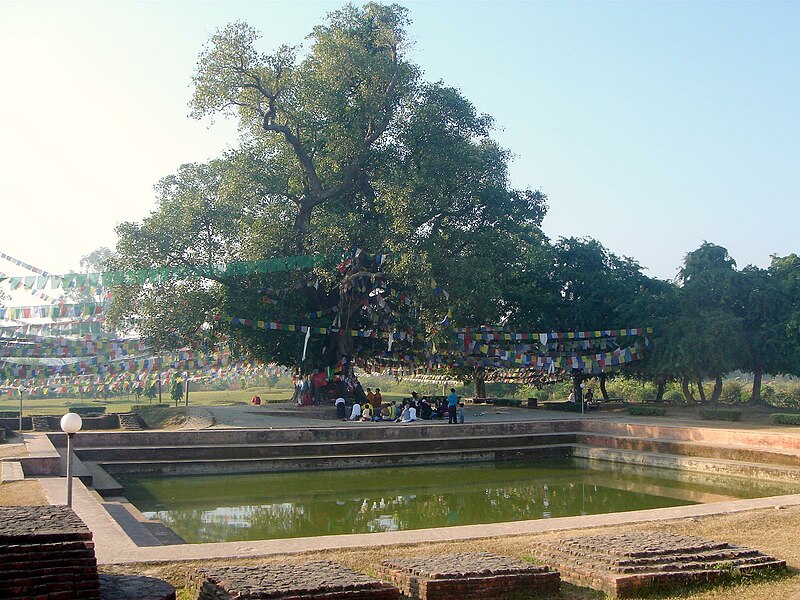
Lumbini, where the Buddha was born, is a holy land in the region of Rummindei, one mile north of Paderia region and two miles north of Bhagwanpur region of Nepal. Today archaeologists determine Lam Ty Ni located north of Basti district of Uttar Pradesh.
According to Buddhist history documents, Lin Yi Ni is located 12 miles from the Kapilavastu. Su notes, "As a custom, Queen Ma Gia must return to her mother's home to give birth. When she came to the Forest of Lumbini, she felt in an unusually refreshing person. Beautiful and fresh scenery welcomes, birds chirping in the trees, gentle wind blows soft and gentle souls, Hoang Hau takes a leisurely stroll to enjoy the natural scenery.
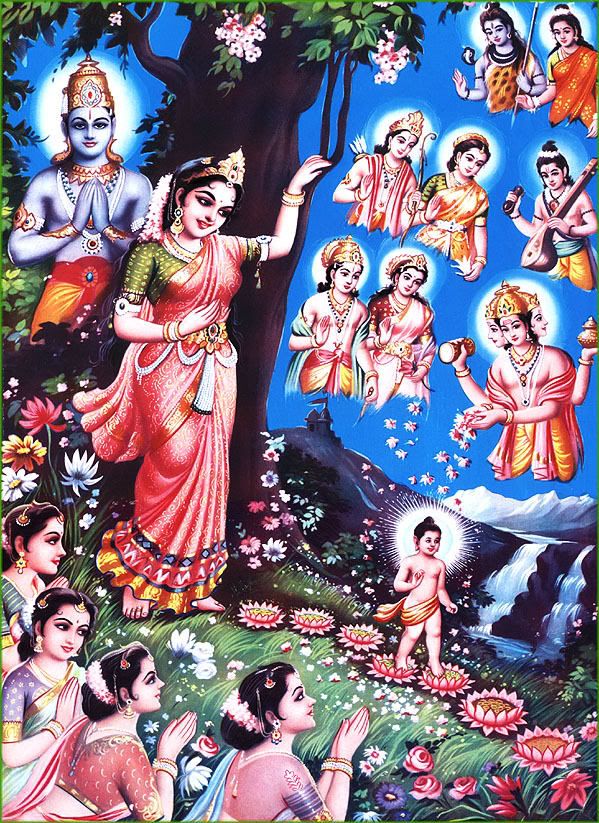
When she came to see Sa La tree, the Queen held the hand of the low-flowering branches in front of her and strangely, Thai Tu descended in the standing posture of the mother. Chu Thien tung welcomed flowers, seven dragons sprayed fragrant water to wash the Prince and Prince away 7 steps boldly proclaiming: "I am the Supreme Master of Your Heavenly God." monopoly). From Lumbini Garden, the Crown Prince is returned to the Ca Lỳ La Vệ by the servants.
The scene of the birth of Prince Tu Dat Da is the subject for thousands of Indian art works that today people have found in sculpture and painting.
Identifying the place of Lam Ty Ni, it is thought that we must remember the merit of King Ashoka. Twenty years after the coronation of the emperor, King Ashoka personally worshiped the holy places and the King himself sent a pillar carved into the words "This place is the place of Buddha . ”King Ashoka also reduced the 5% annual tax for the people of this region. It was a privilege of Ashoka to the local inhabitants of the Buddha's birth. Beside this pillar, an old temple was found that carved the image of the Buddha's Christmas scene.
 |
| Lumbini |
 |
| The exact birth place of Gautama Buddha, in Lumbini, Nepal. |
REPORT THIS AD

Second Holy Land:
Bodh Gaya (Bodh-Gaya)
Bodh Gaya (Bodh-Gaya)
The second most famous shrine in the history of Buddhism is Bodh Gaya, where the Buddha became enlightened. Here the Buddha meditated for 49 days and nights under the pipala museum, next to the Ni River Meditation. Because of the eternal phenomenon, this place has become Bodhgaya, and the old pipala tree is named Bodhi tree (meaning "enlightenment, bodhi tree").
It can be said that Bodhgaya has become a cradle of the history of Buddhist culture and the Buddha disciples all desire to at least visit this place. The grass of the Buddha meditating, the Bodhi tree is well cared for. The stelae and the large and small stone pillars around Bodh Gaya, by the Indian, Chinese and other countries built themselves to make offerings when visiting this holy site, and the document of Mr. Tam Tibet, Xuanzang, allows us to visualize the vibrant bustle of this place in the past more than 2500 years ago. The Bodhi Tree is now the great grandchildren of thousands of original Bodhi trees, but the leaves are still luxuriant, the trunk is large and solid.

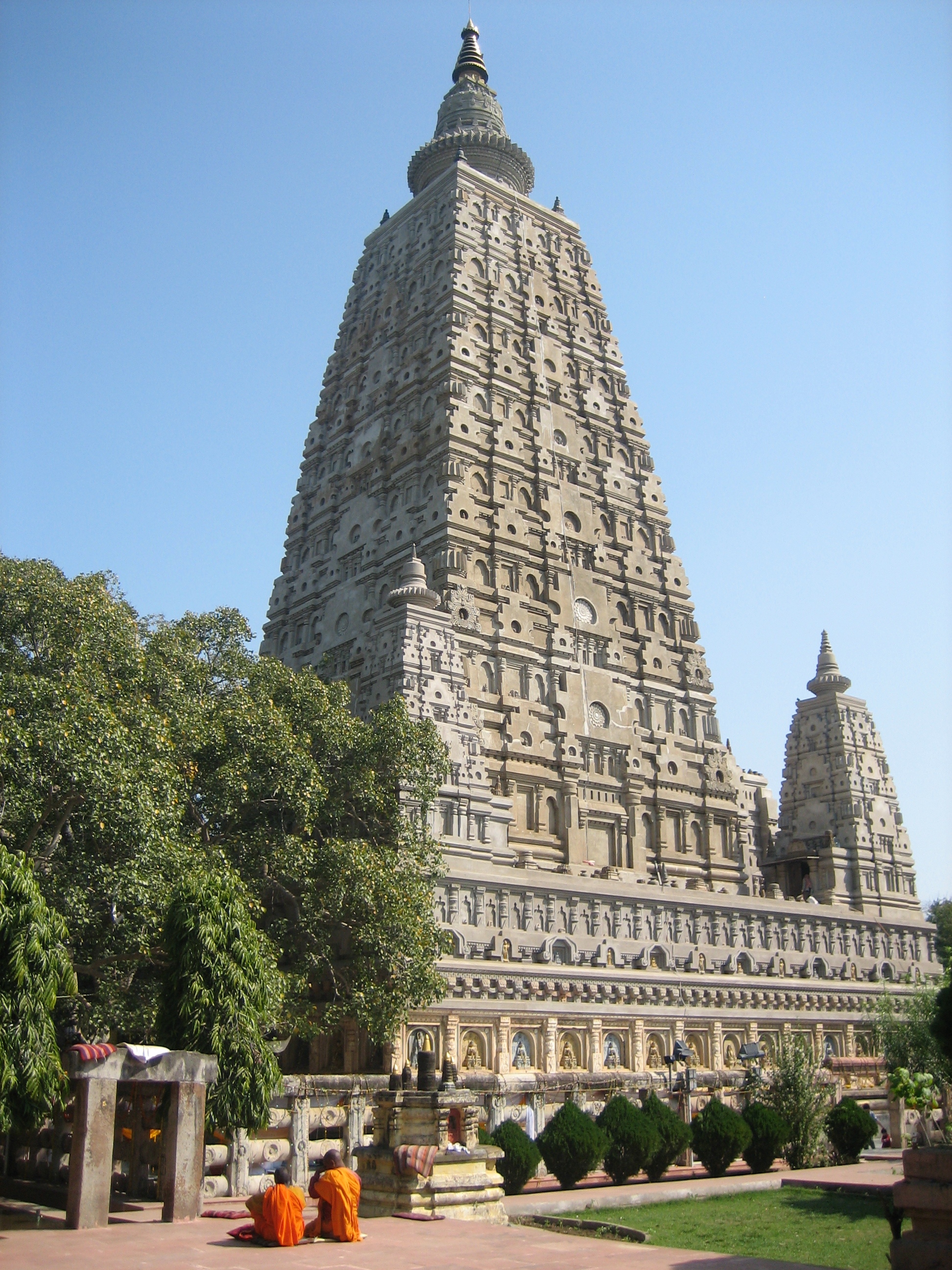
Mahabodhi Temple
 |
| Mahbodhi tree, Bodhgaya |
REPORT THIS AD
Third Holy Land:
Sarnath
Sarnath
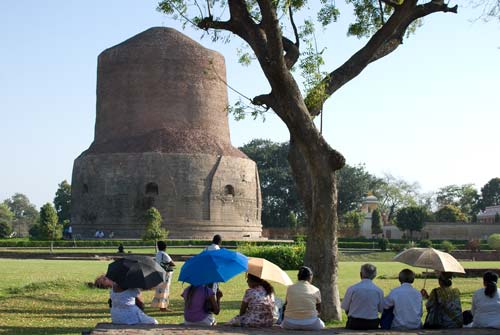
Another memorable place in Buddhist history is Isipitana or Sarnath. Here, in the tranquility of Deer Park, the Buddha opened the first sermon for the 5 brothers, Mr. Kieu Tran Nhu who used to practice asceticism with him. The content of the sermon talks about the sufferings of human life and the ways of solving those suffering. This event has been dubbed "Zhuan Falun," which means that the Buddha changed the first wheel of dharma to mark a brilliant era of a lasting religion over 2500 years so far.

SARNATH
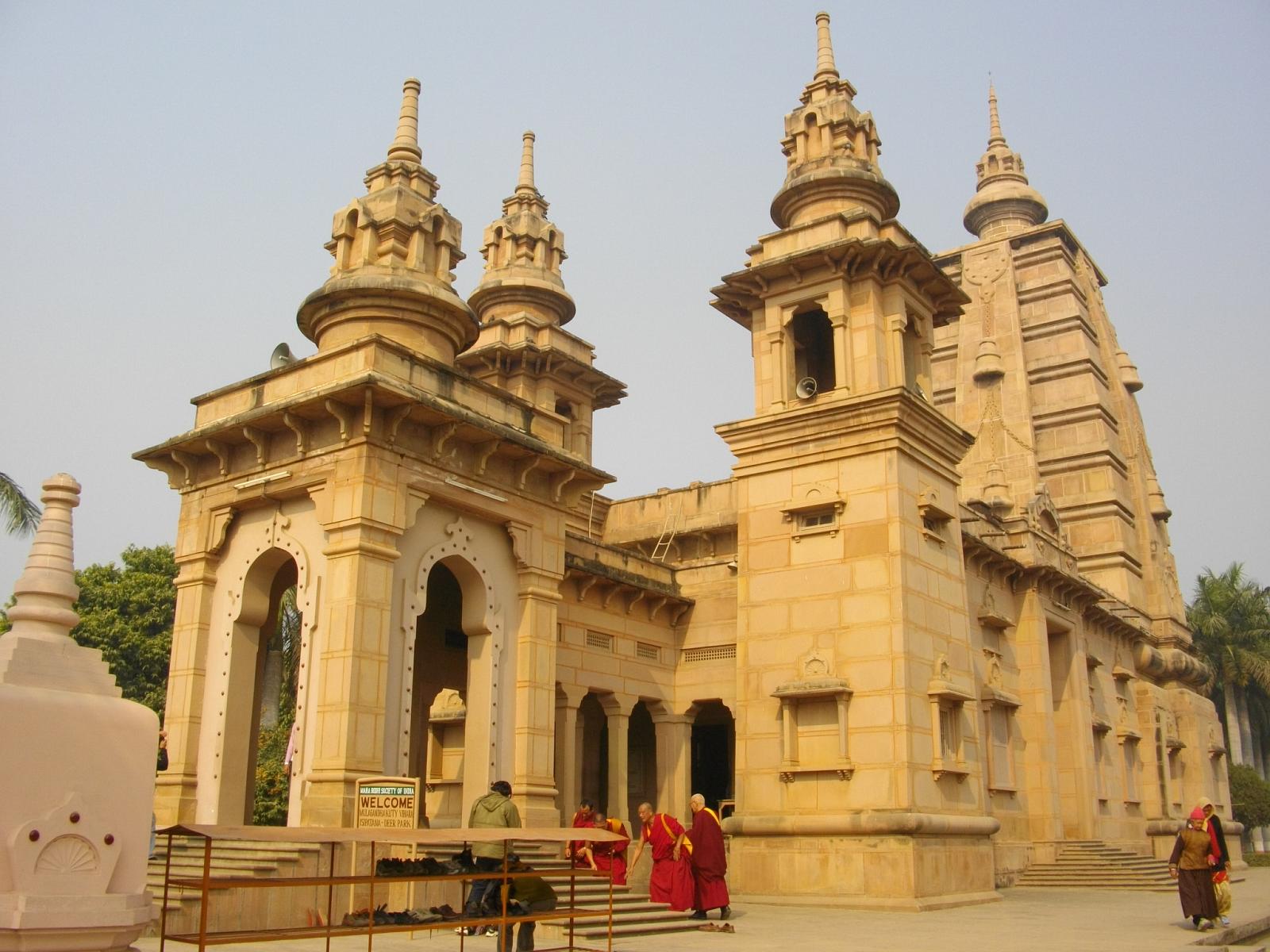
A Buddhist temple at Sarnath.
REPORT THIS AD

Fourth mecca :
Kusinagara
Kusinagara

No comments:
Post a Comment